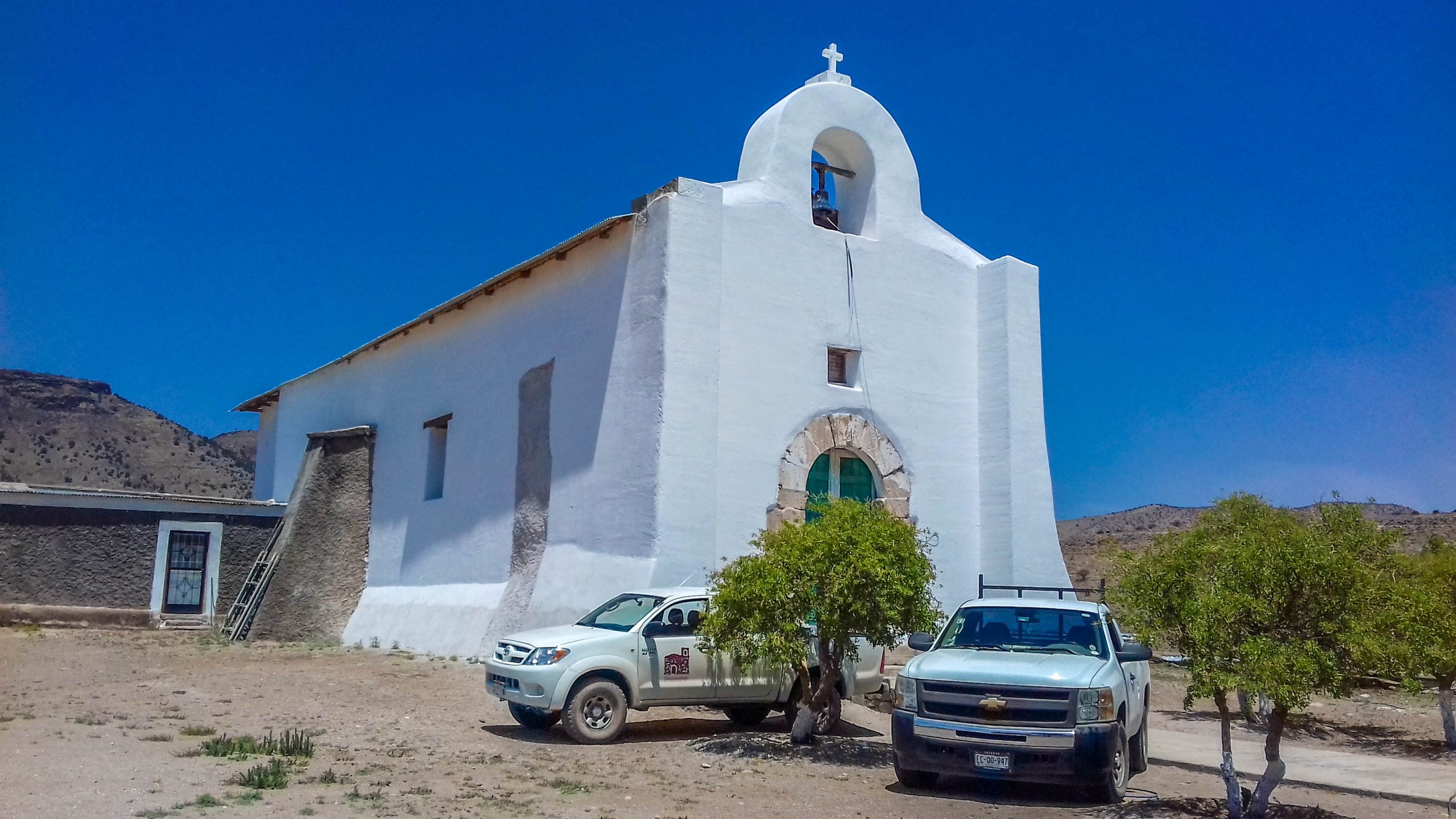
San Ignacio – Nonoava
San Ignacio - Nonoava
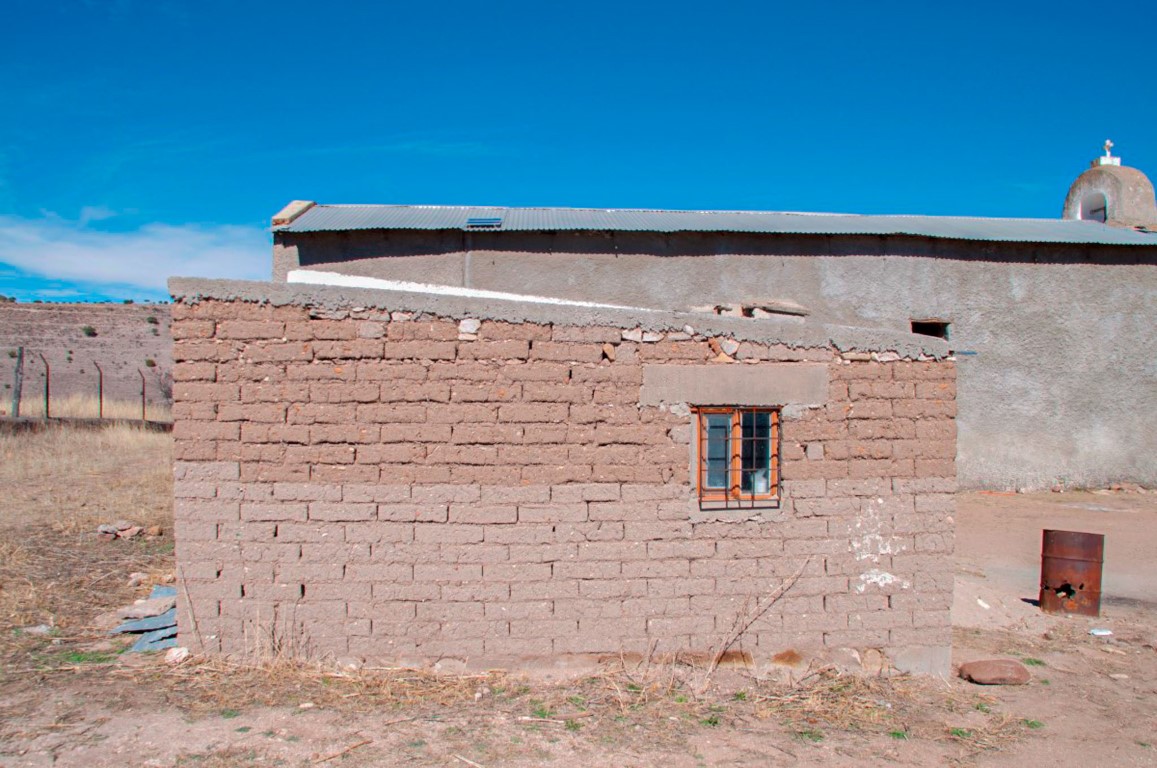
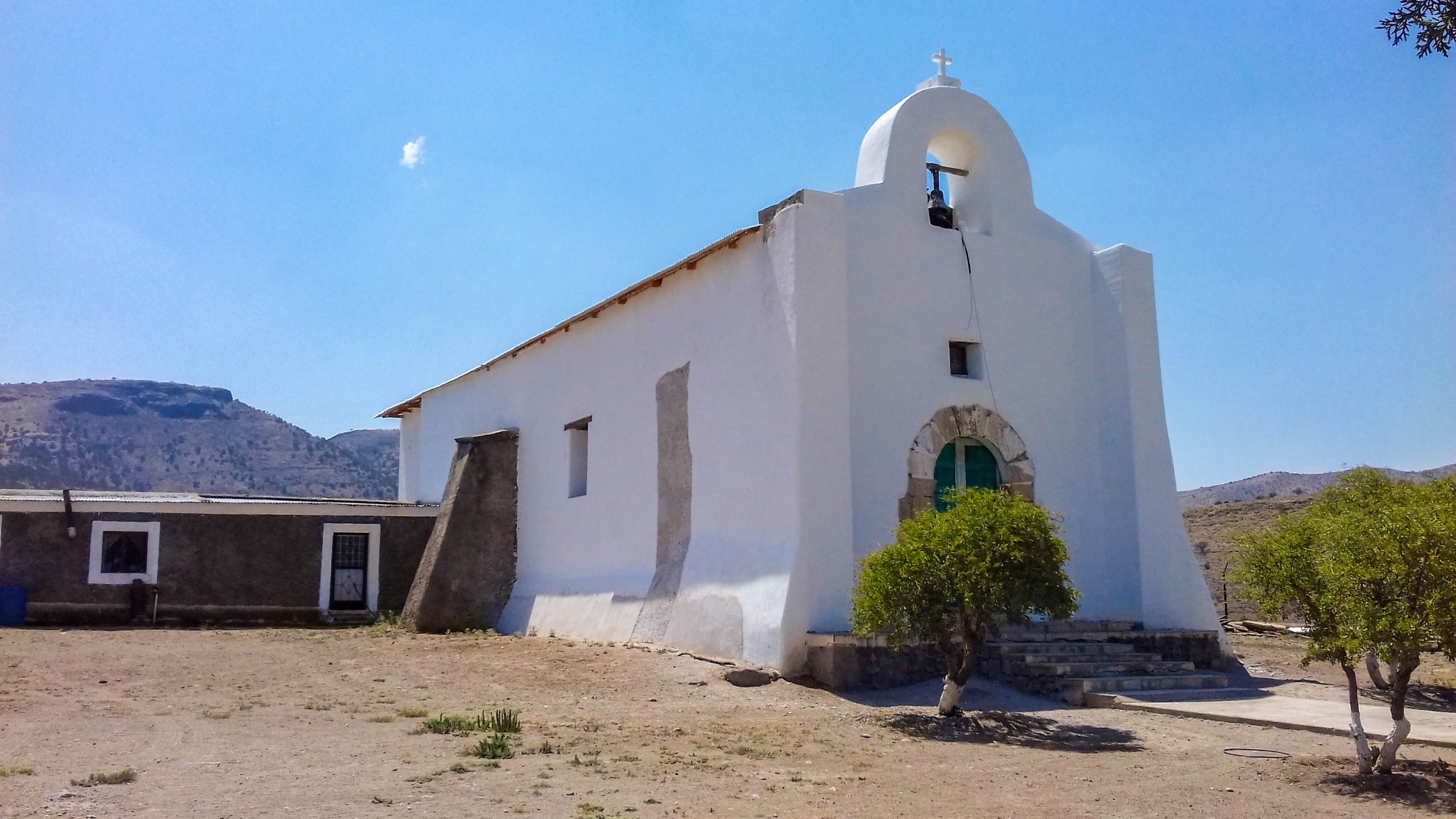
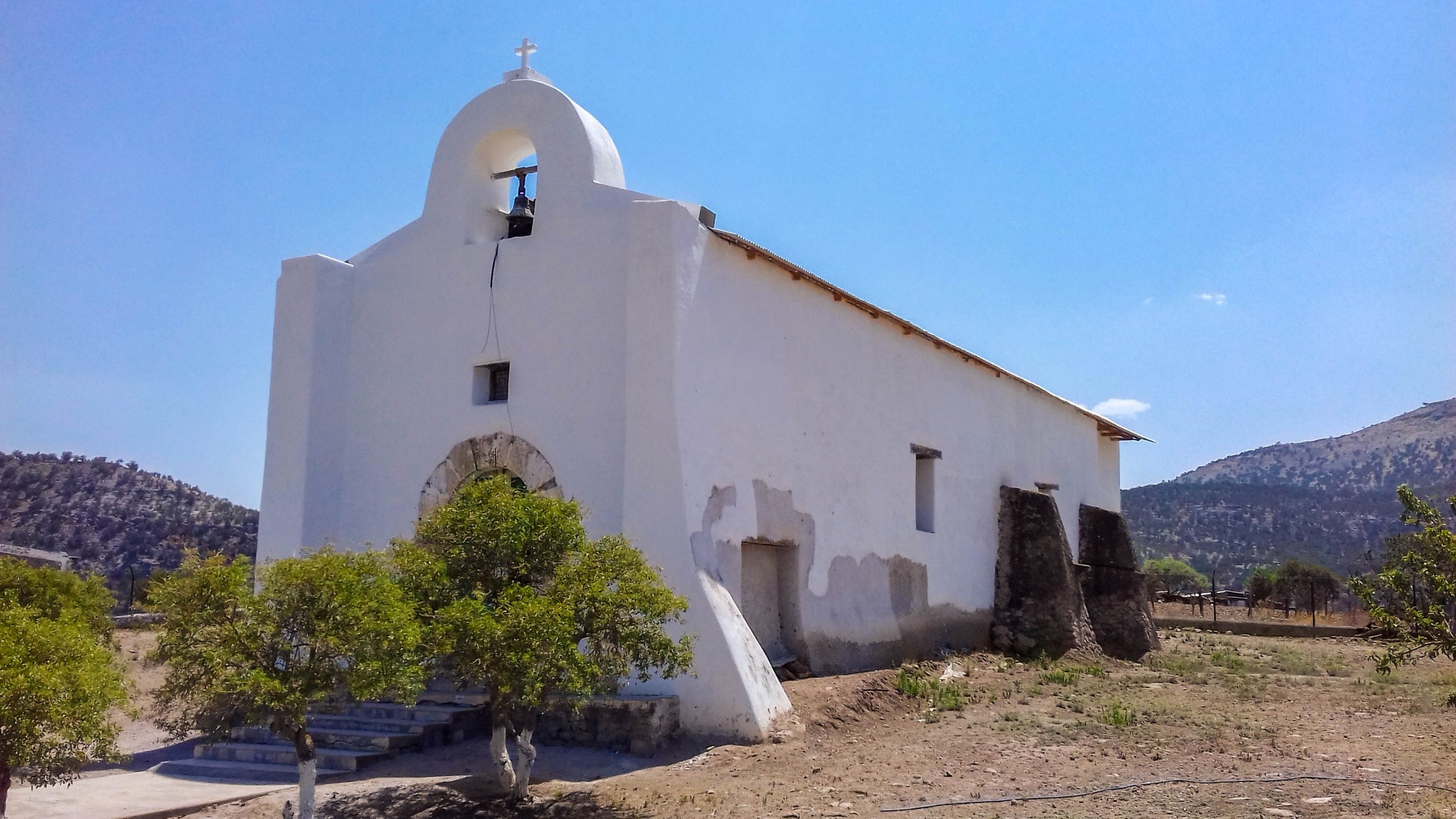
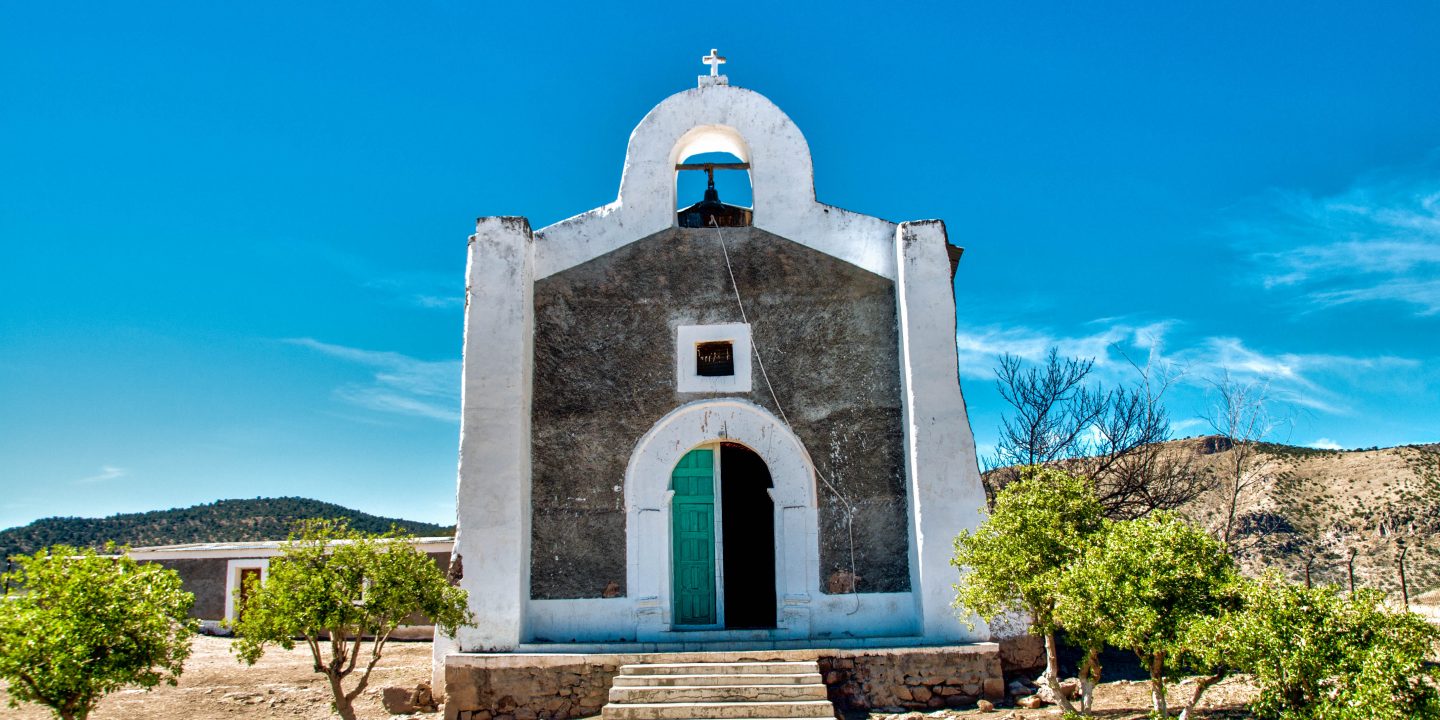
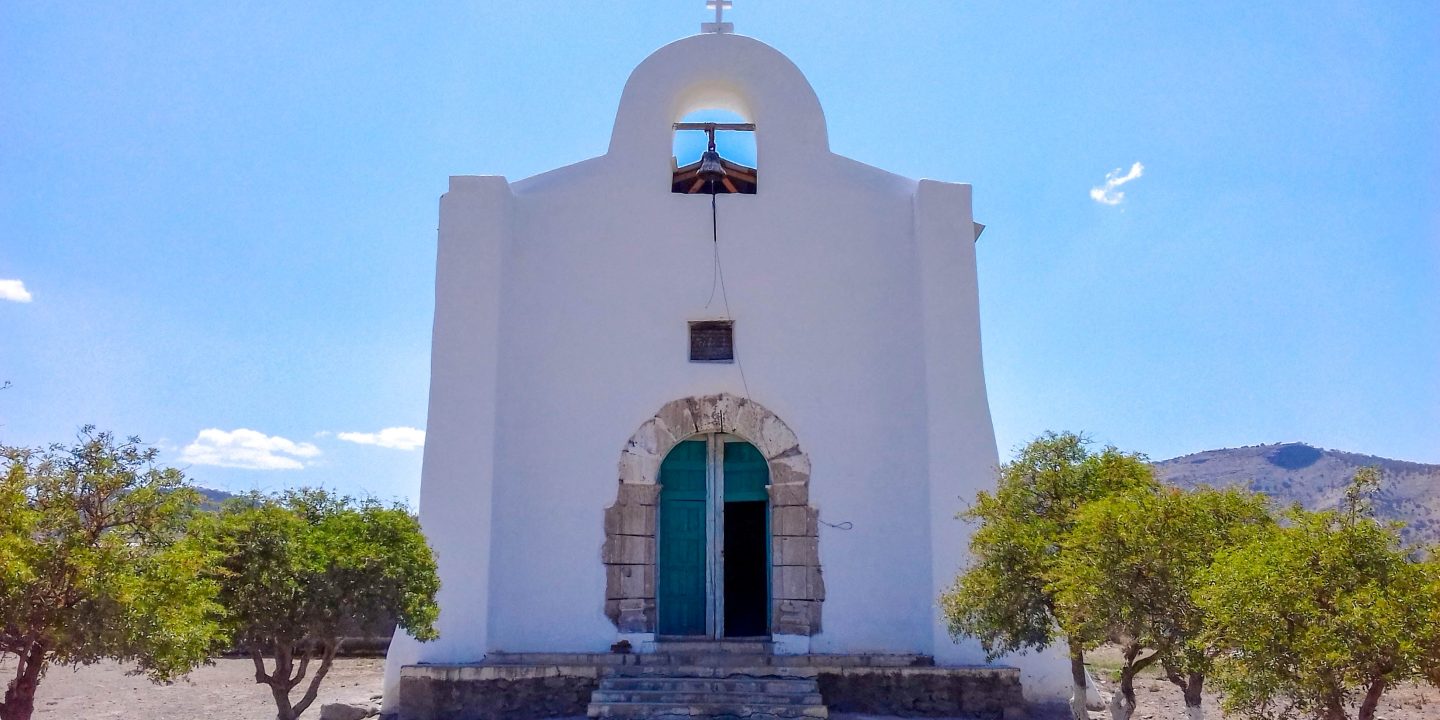
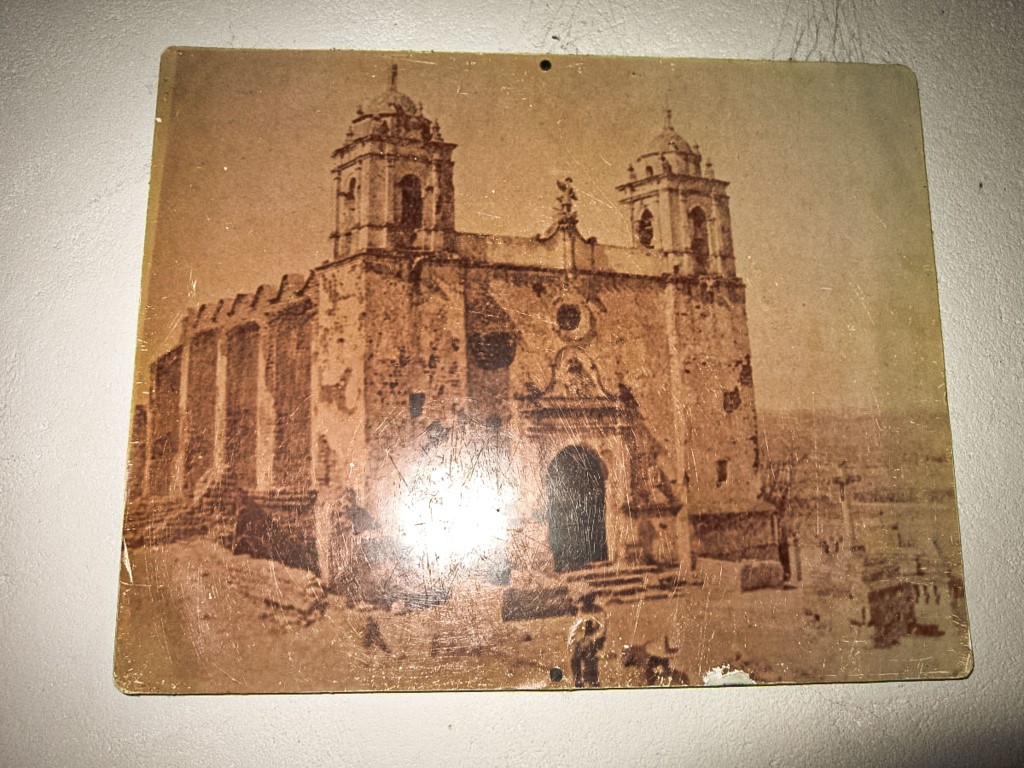
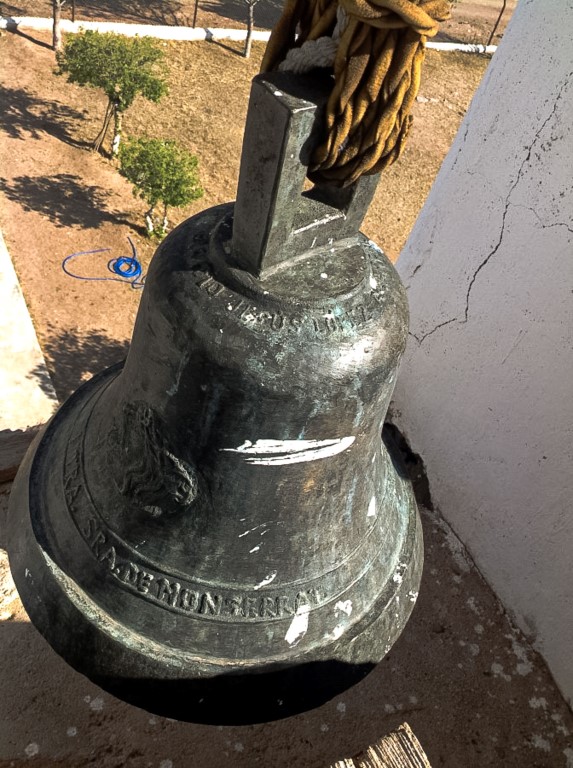
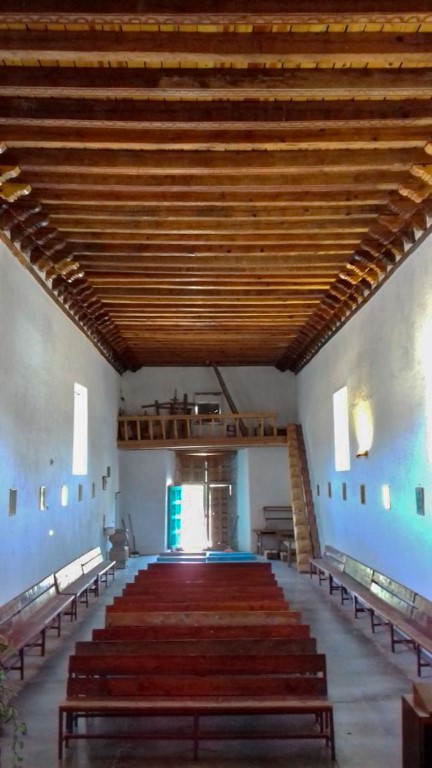
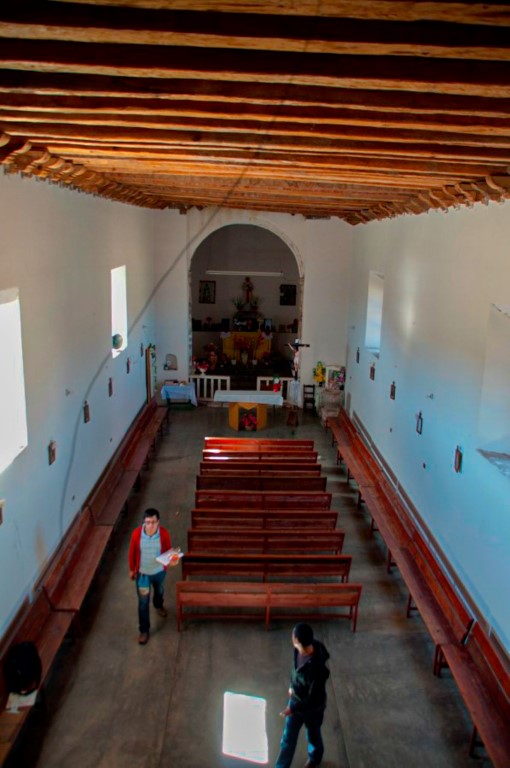
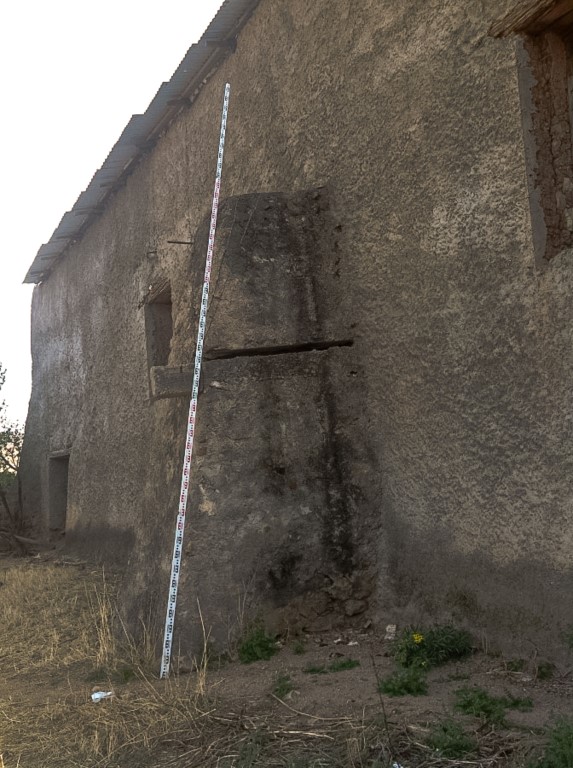
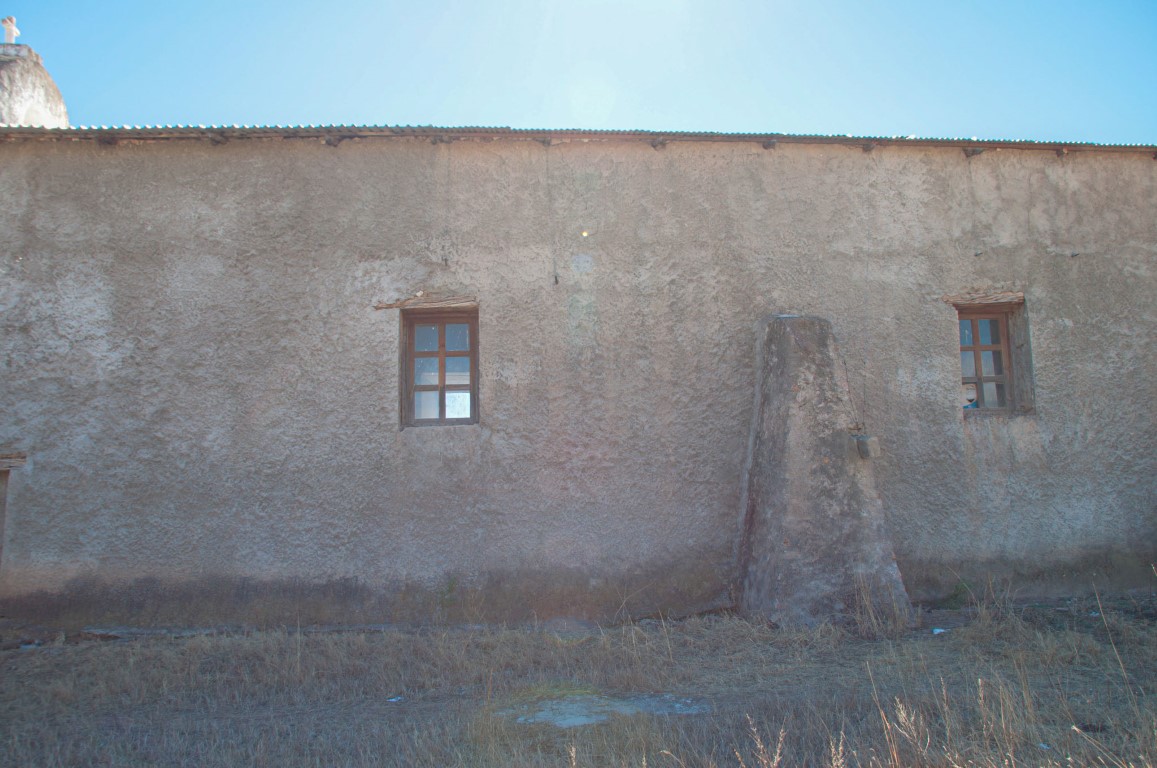
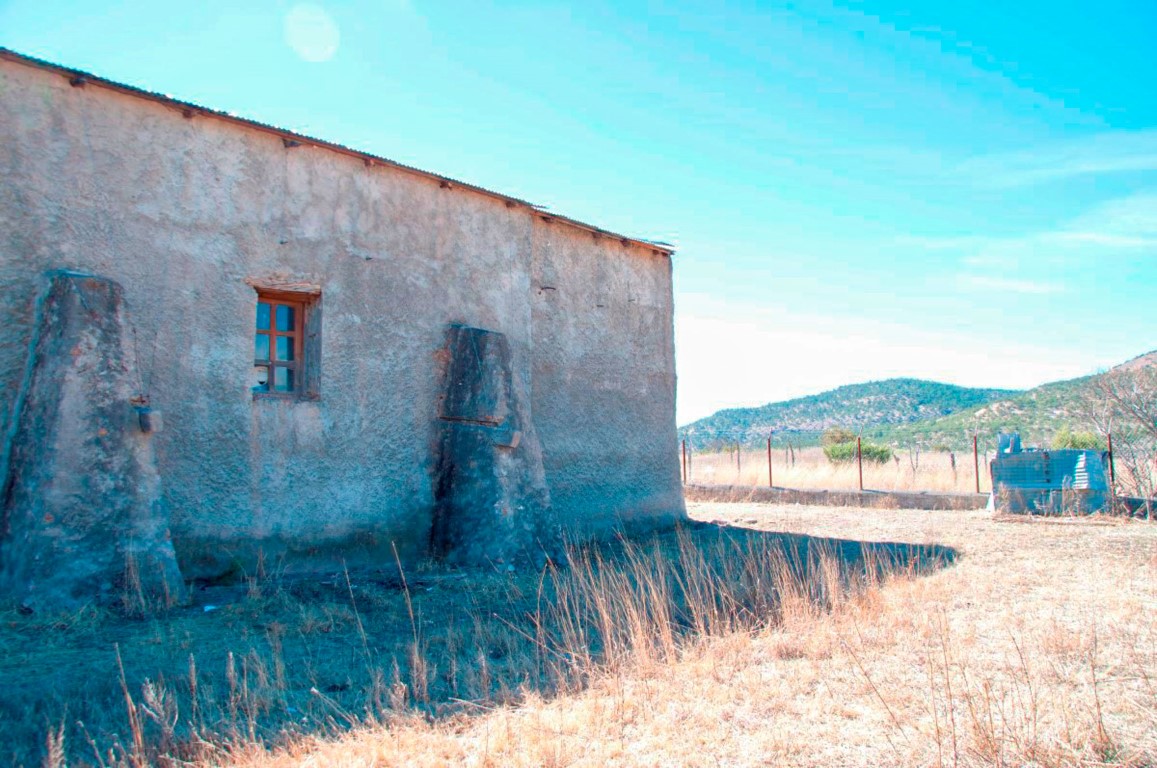
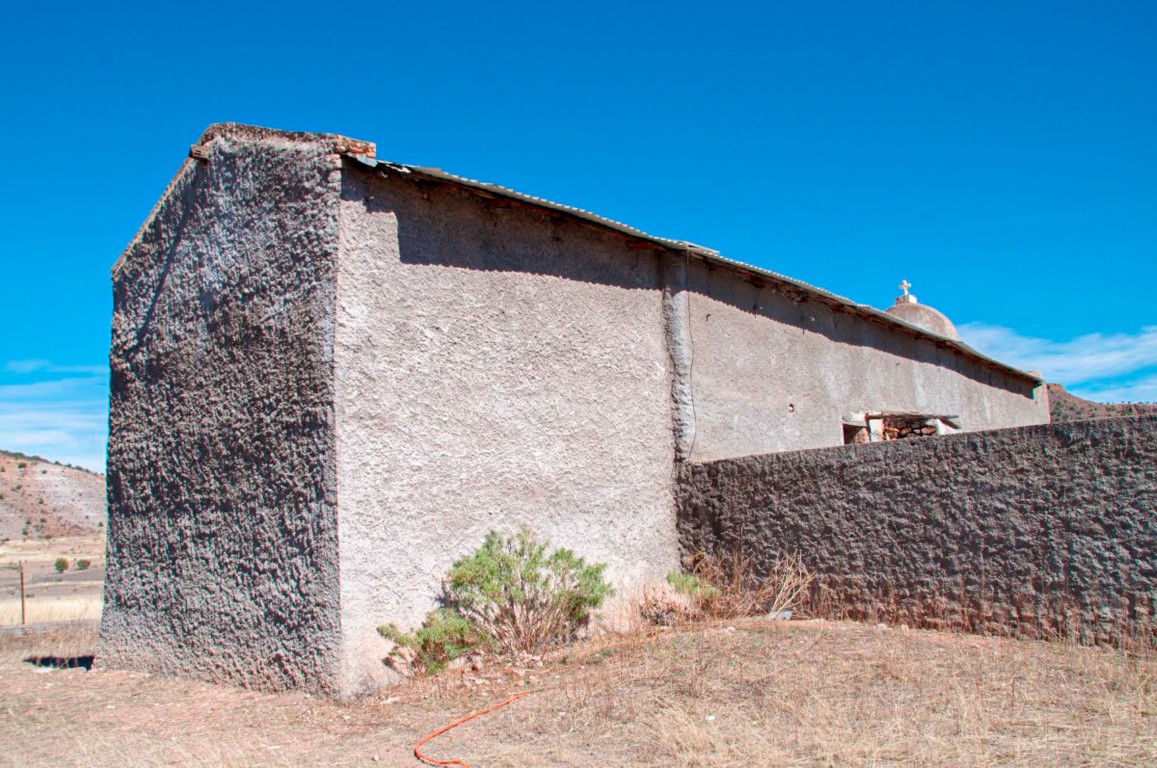
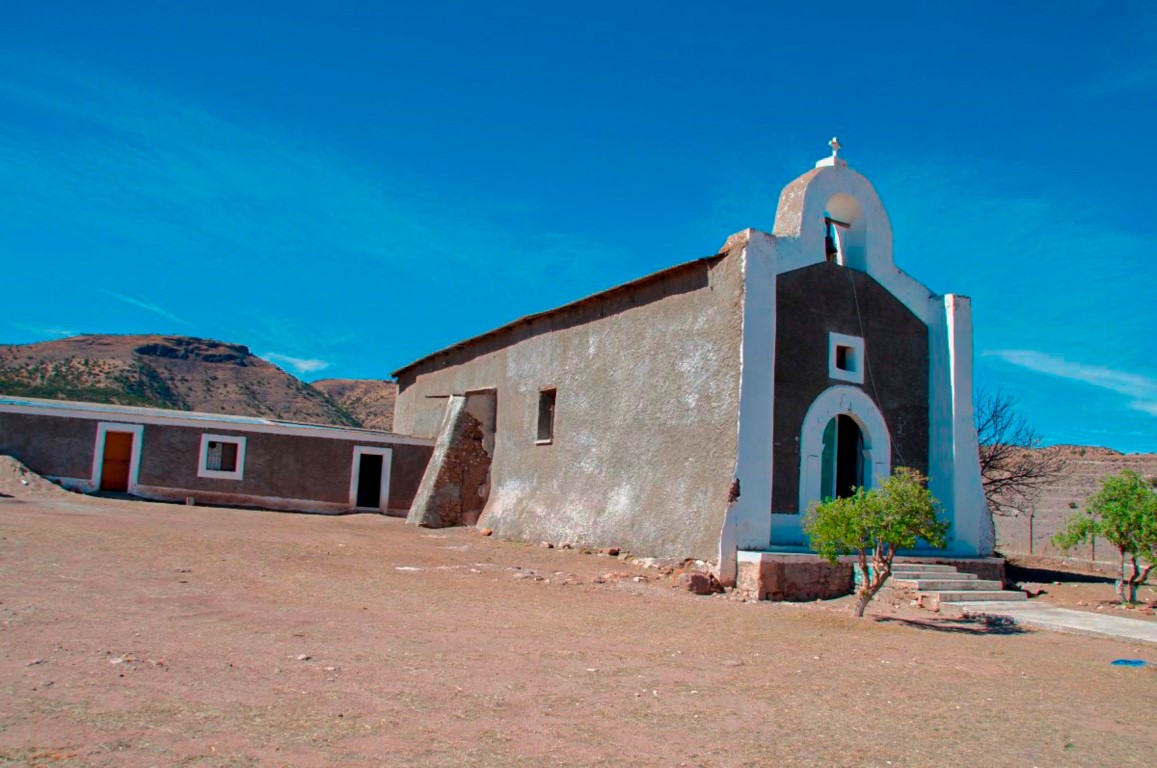
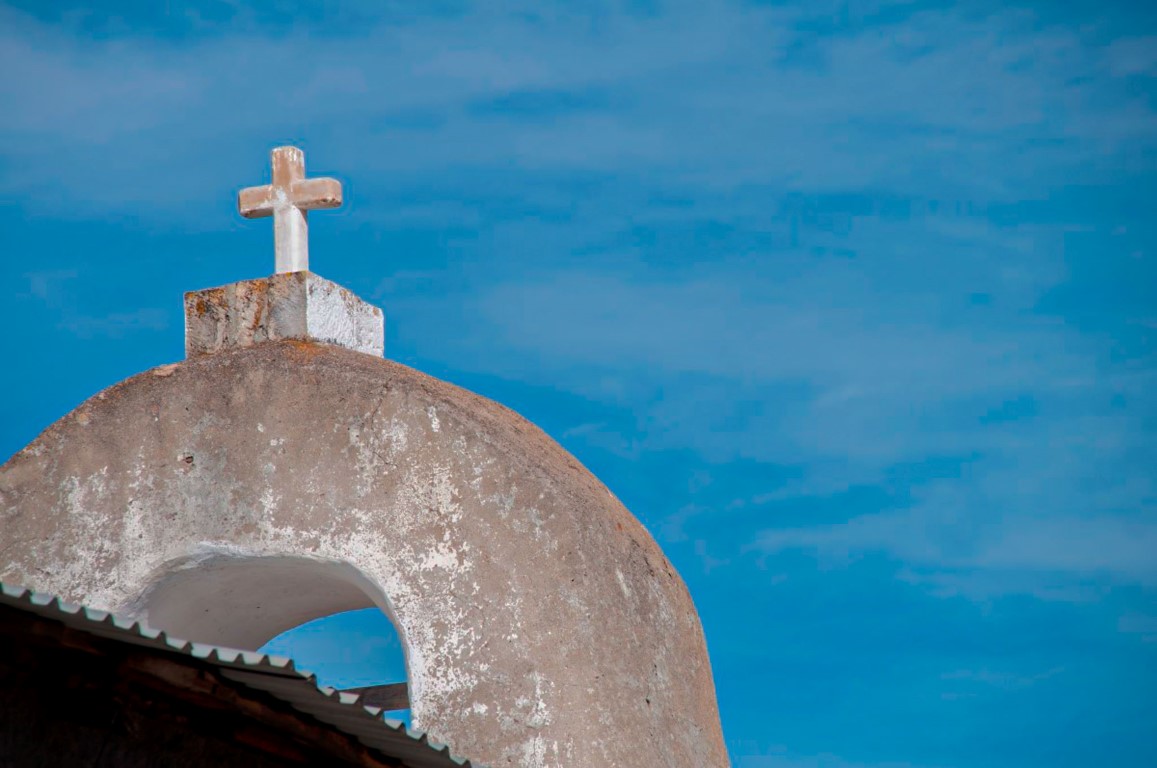
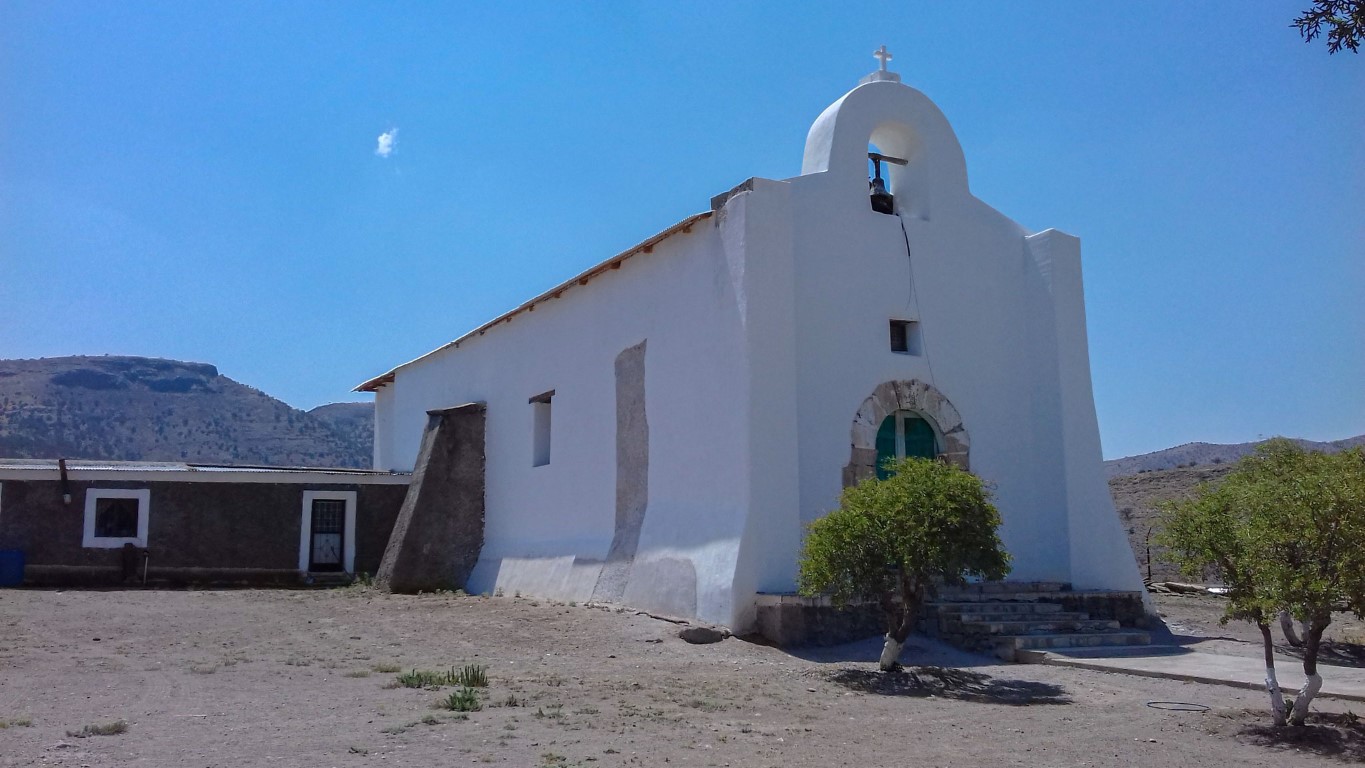
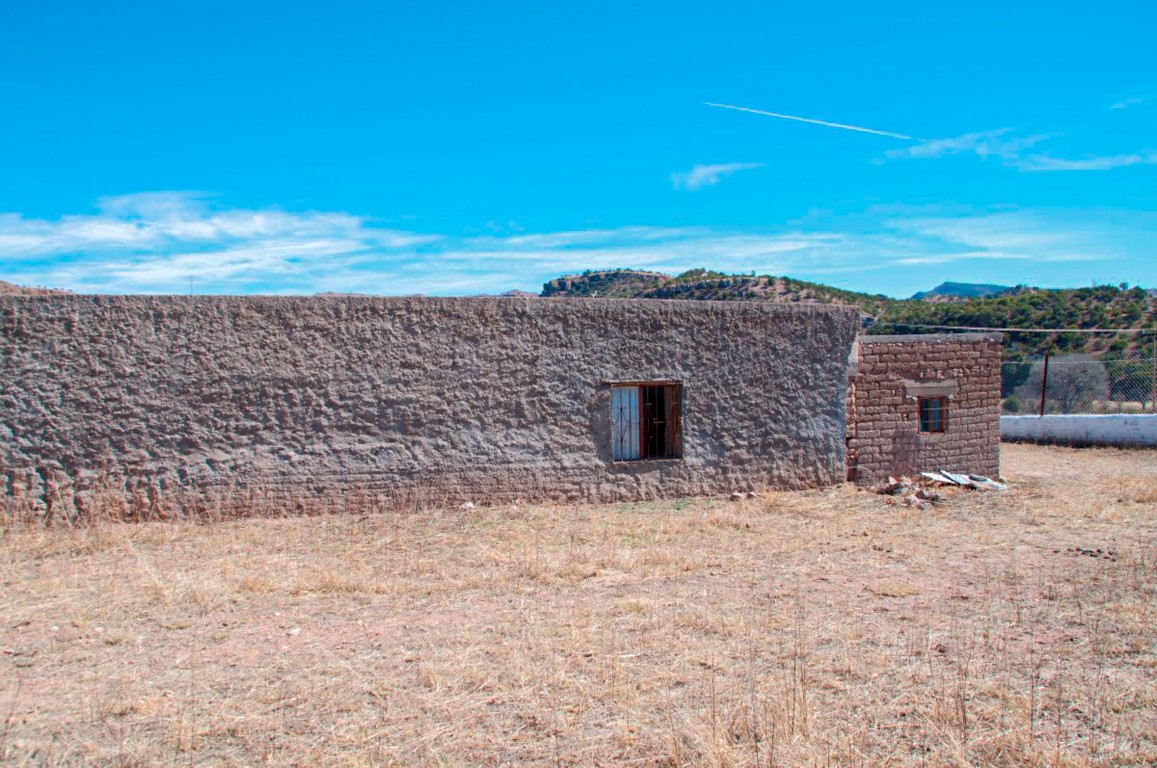
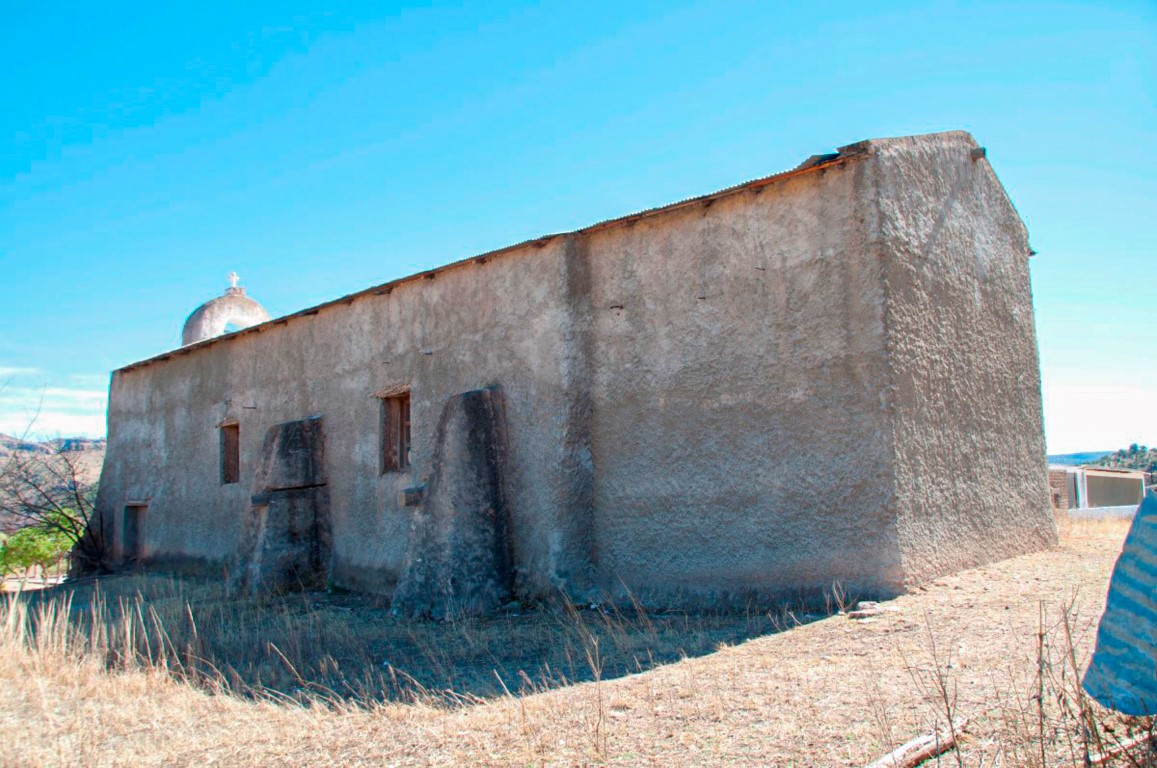
The Humariza region was among the first areas recorded by the Jesuit missionaries in the Tarahumara at the beginning of the 17th century. Shortly after the founding of the Mission of Nuestra Señora de Montserrat de Nonoava (1675), under the care of the Jesuit missionaries, the town of Humariza was reduced by Fr. Pedro Ignacio de Loyola, or more likely by Fr. Francisco de Arteaga, as a visita of the Nonoava mission. The temple originates from the 18th century, around 1725, when a population of 100 families was reported, under the mission leadership of Fr. Antonio de Ydiáquez. Humariza ceased to be a visita of Nonoava in the 1760s and became a visita of the mission of Norogachi or San Pablo de Tepehuanes.
Jesuit
17th - 18th
Humariza
Nonoava
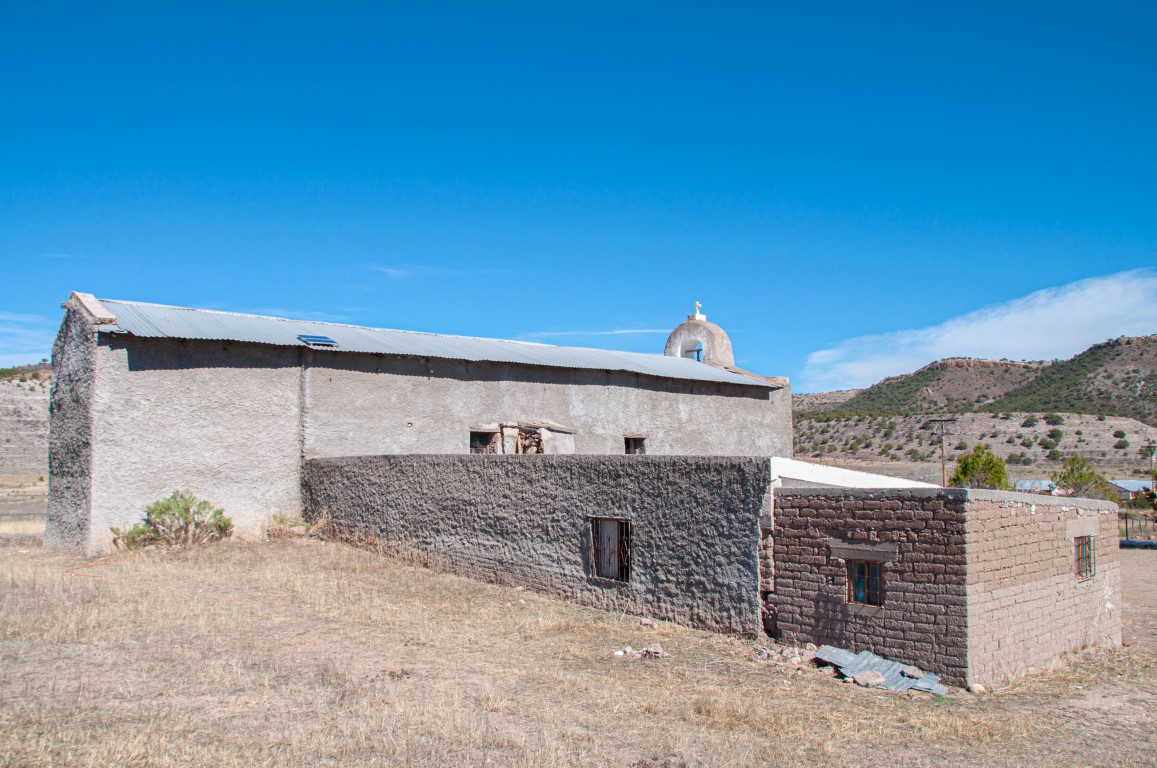
Immovable property, movable property
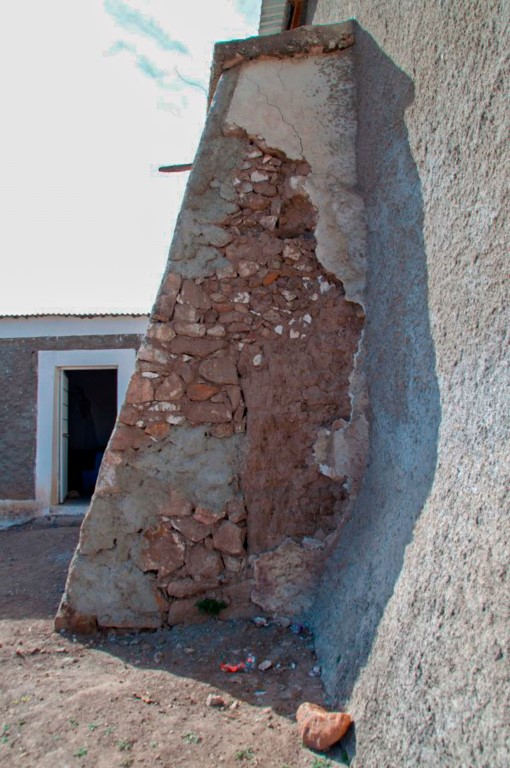
Adobe
Plane
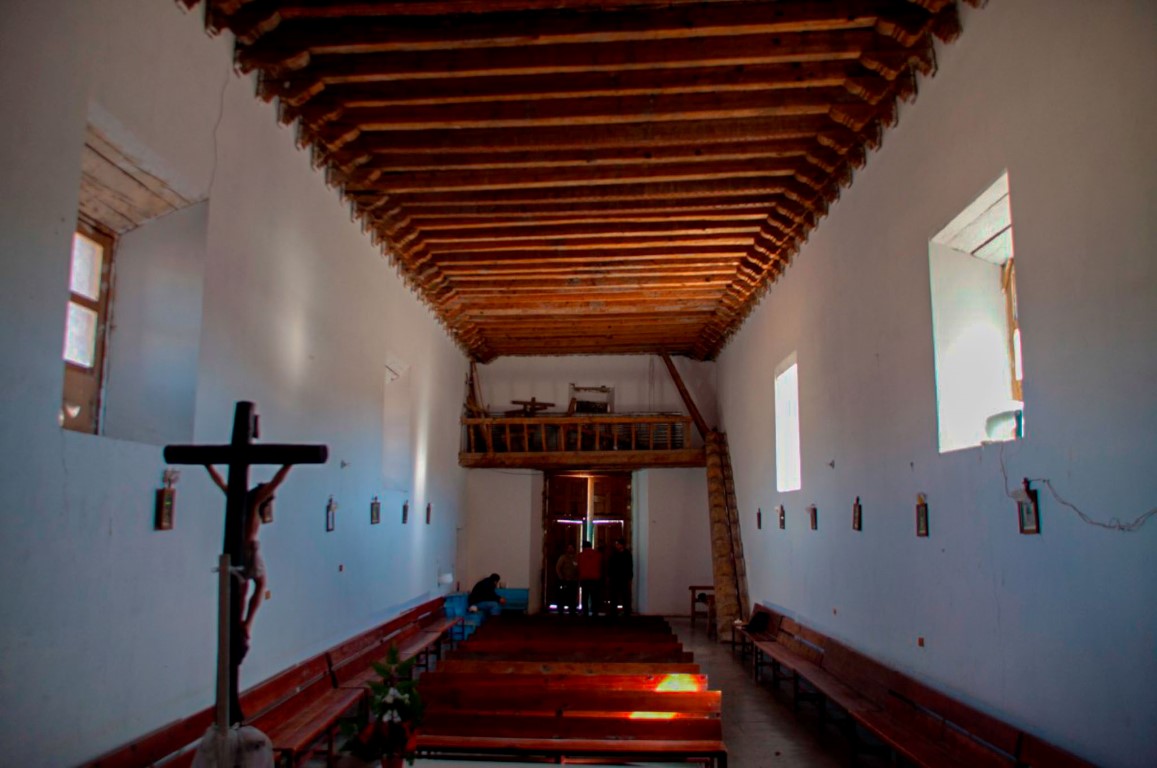
Single nave
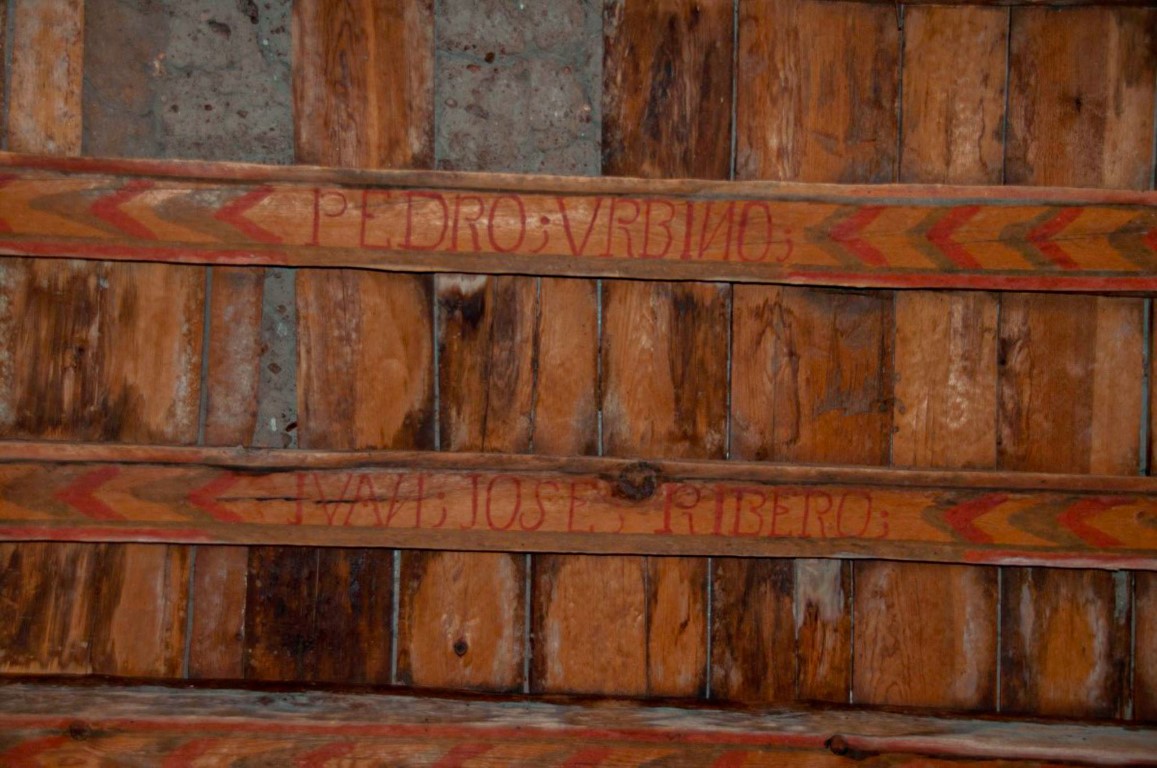
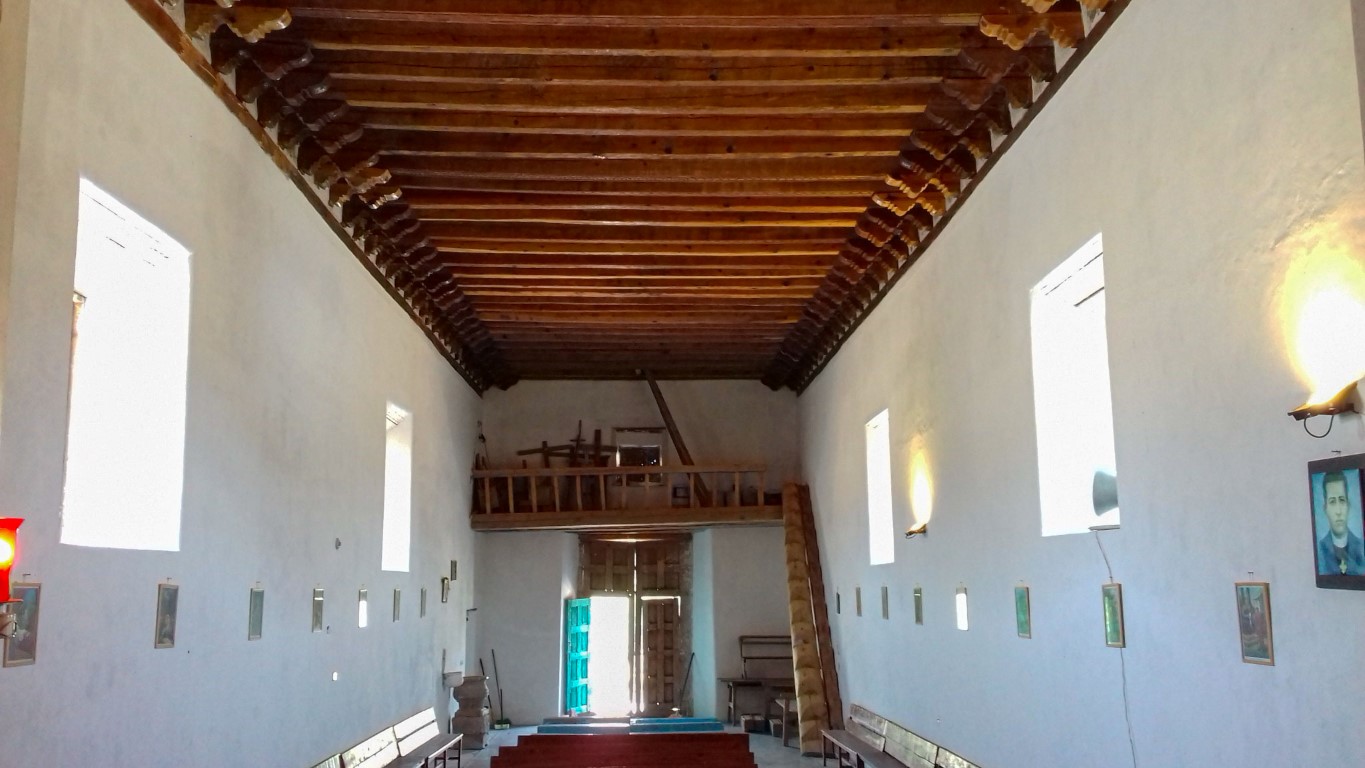
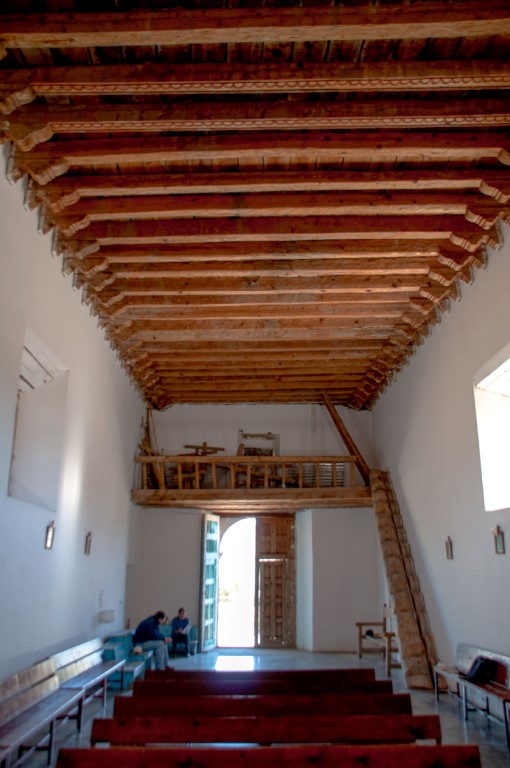
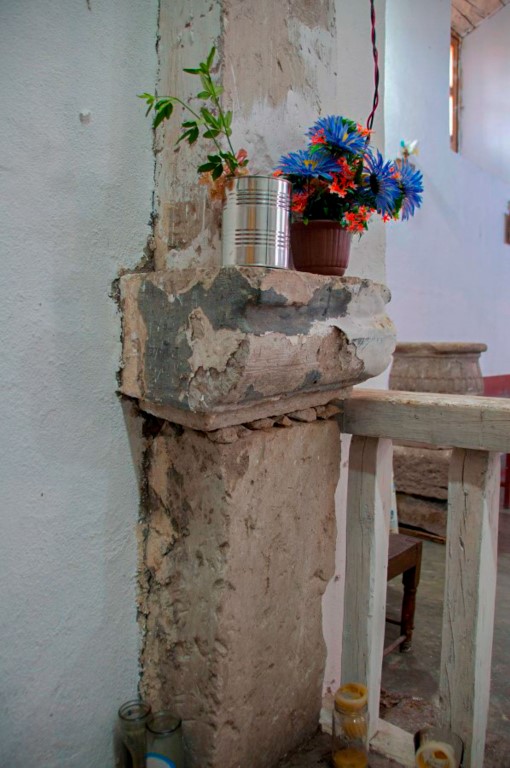
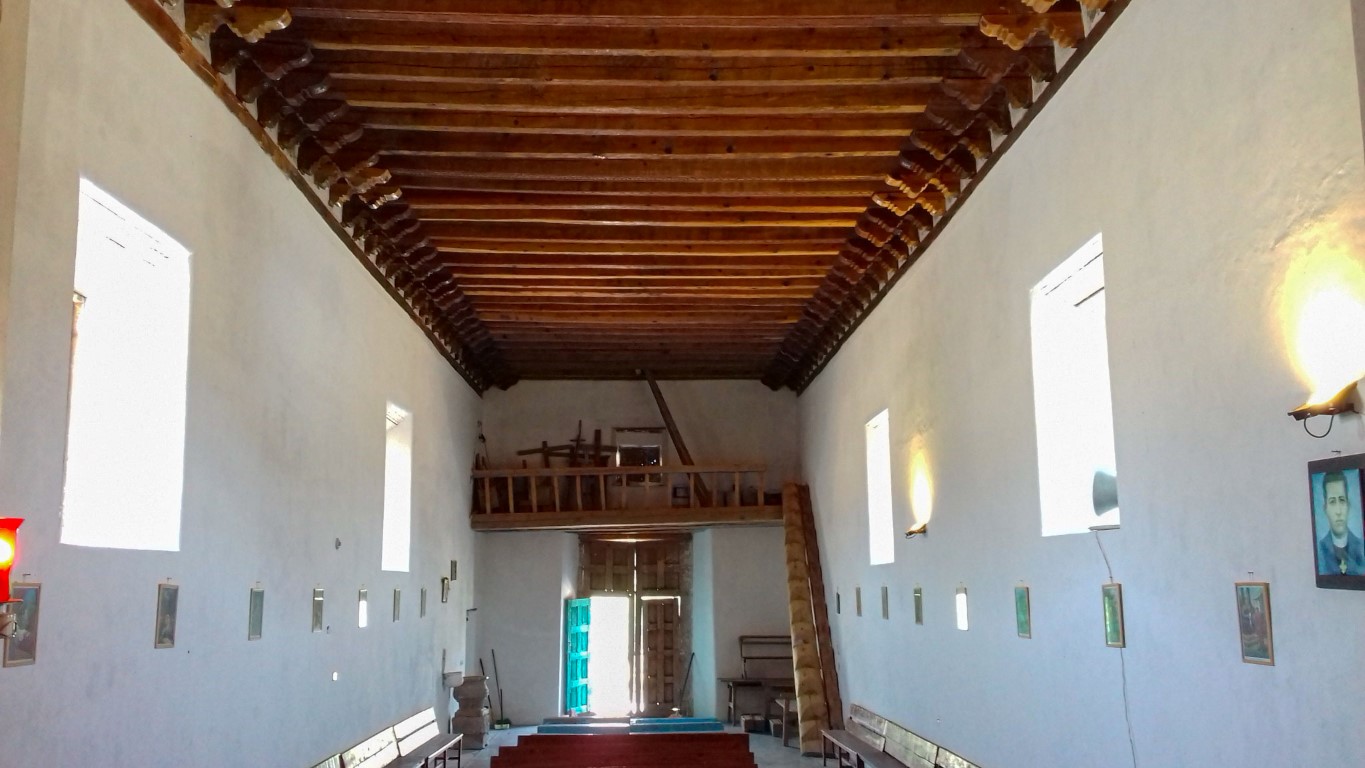
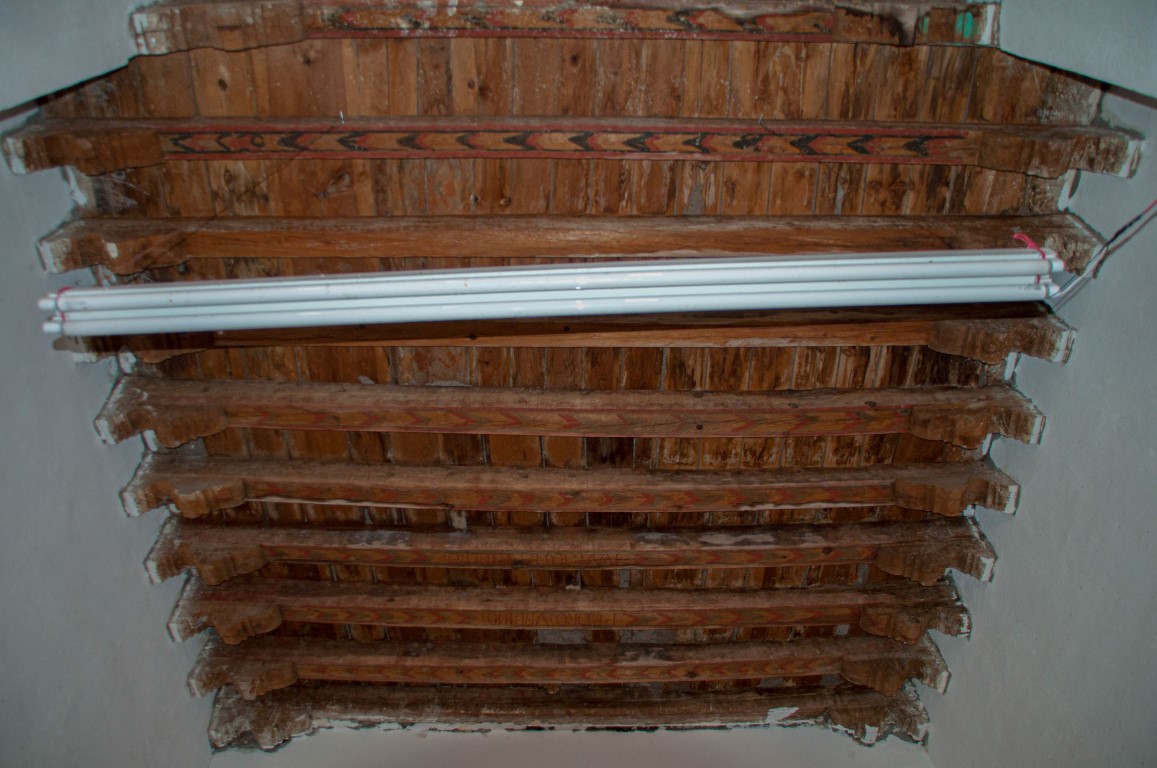
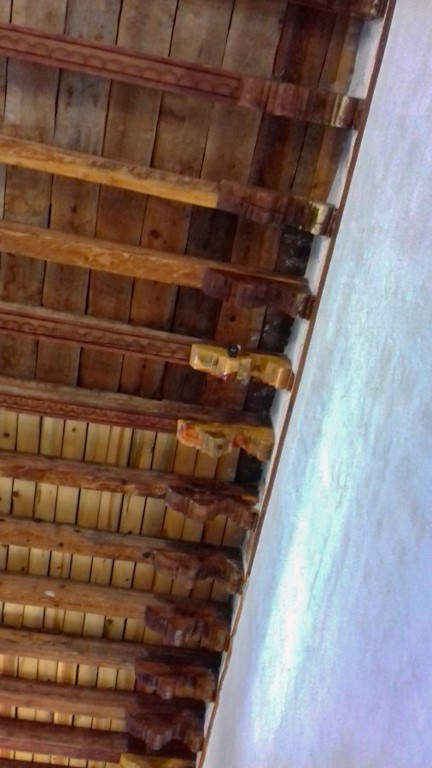
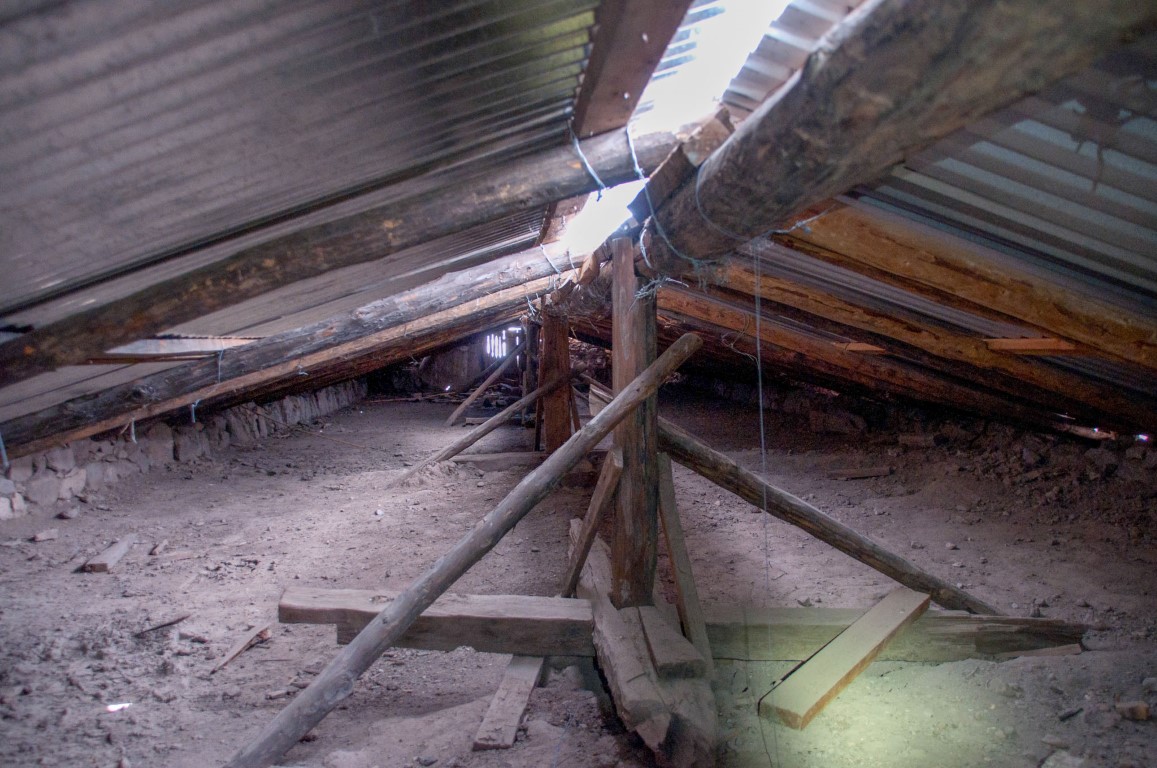
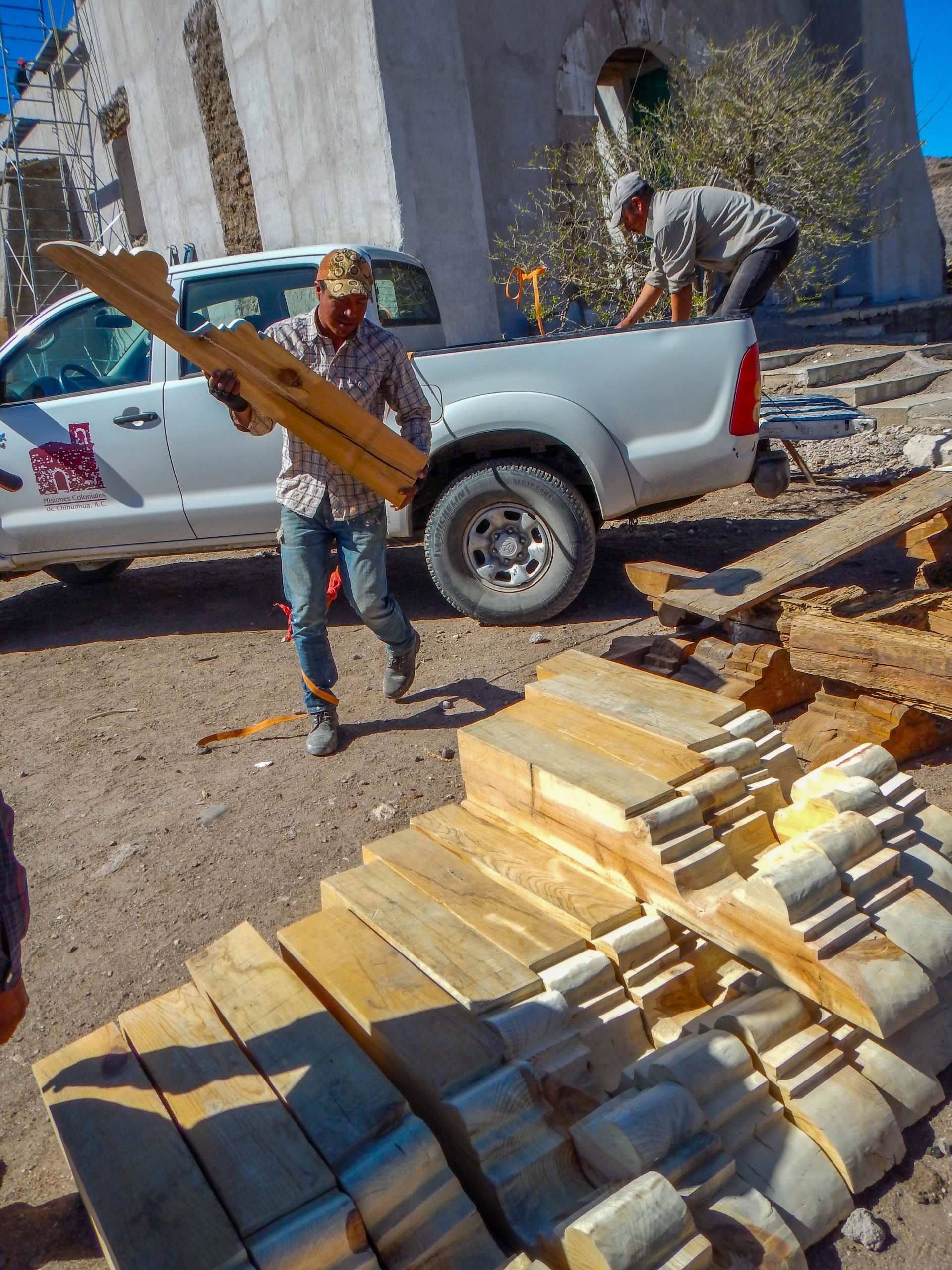
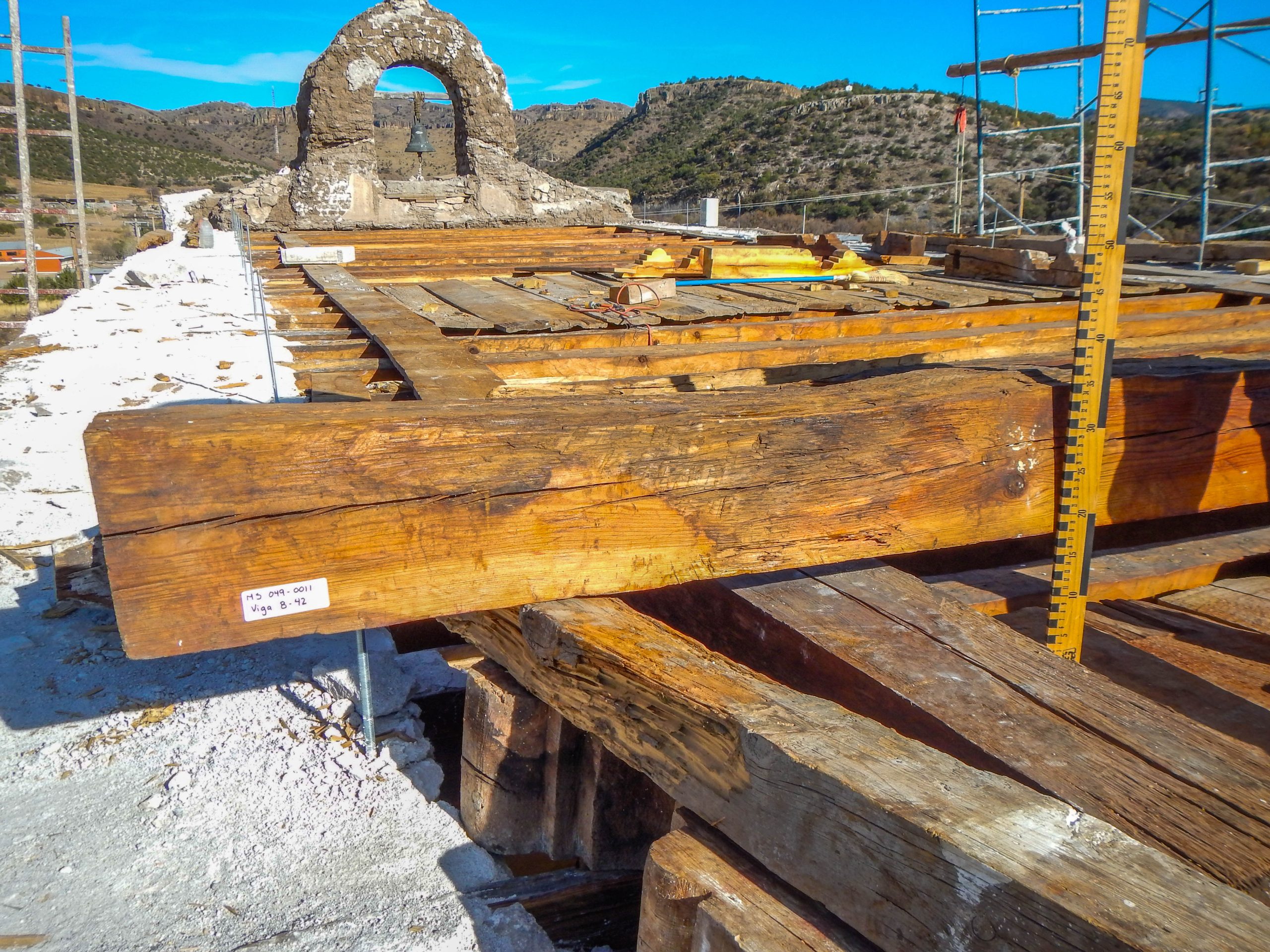
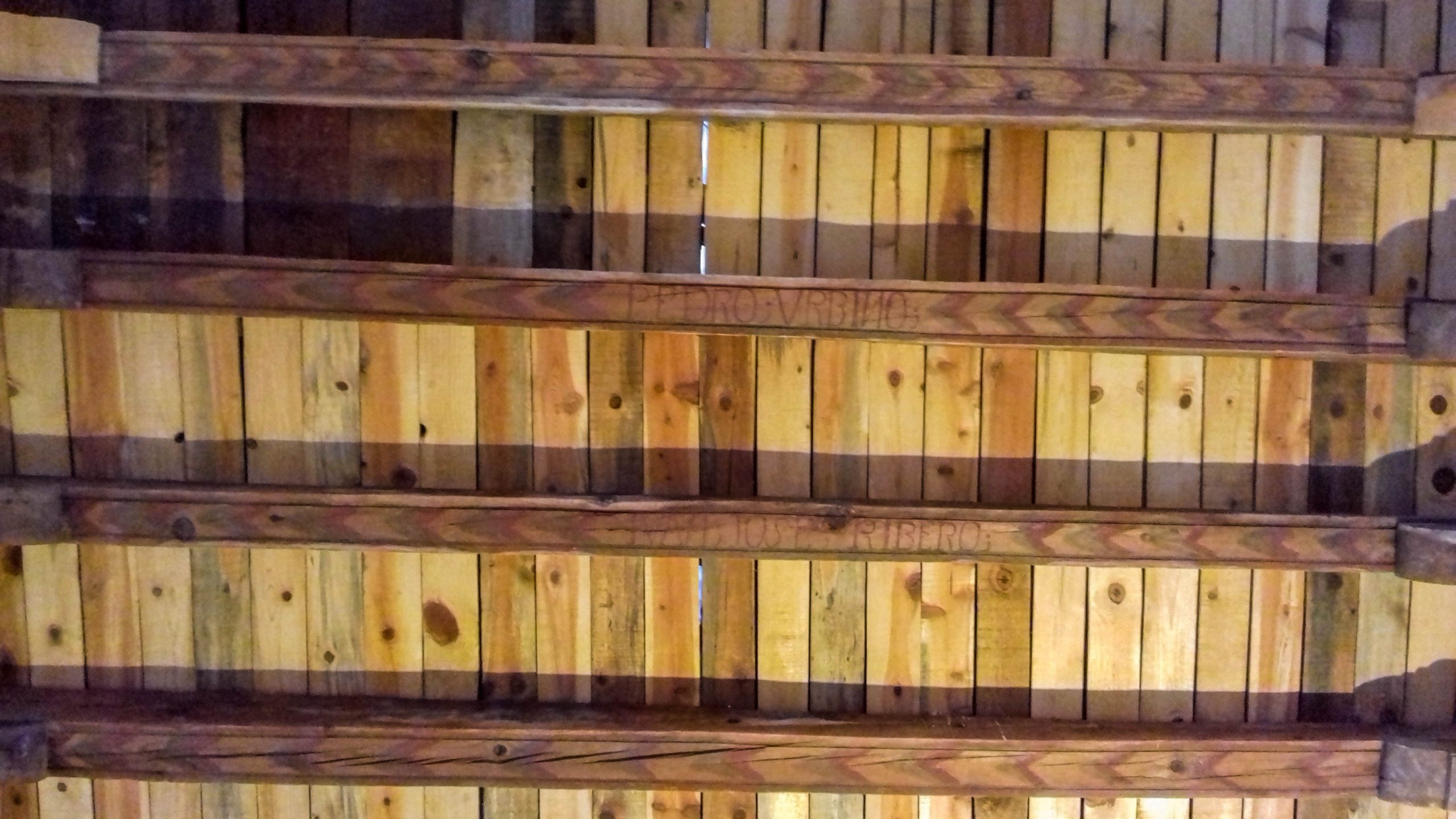
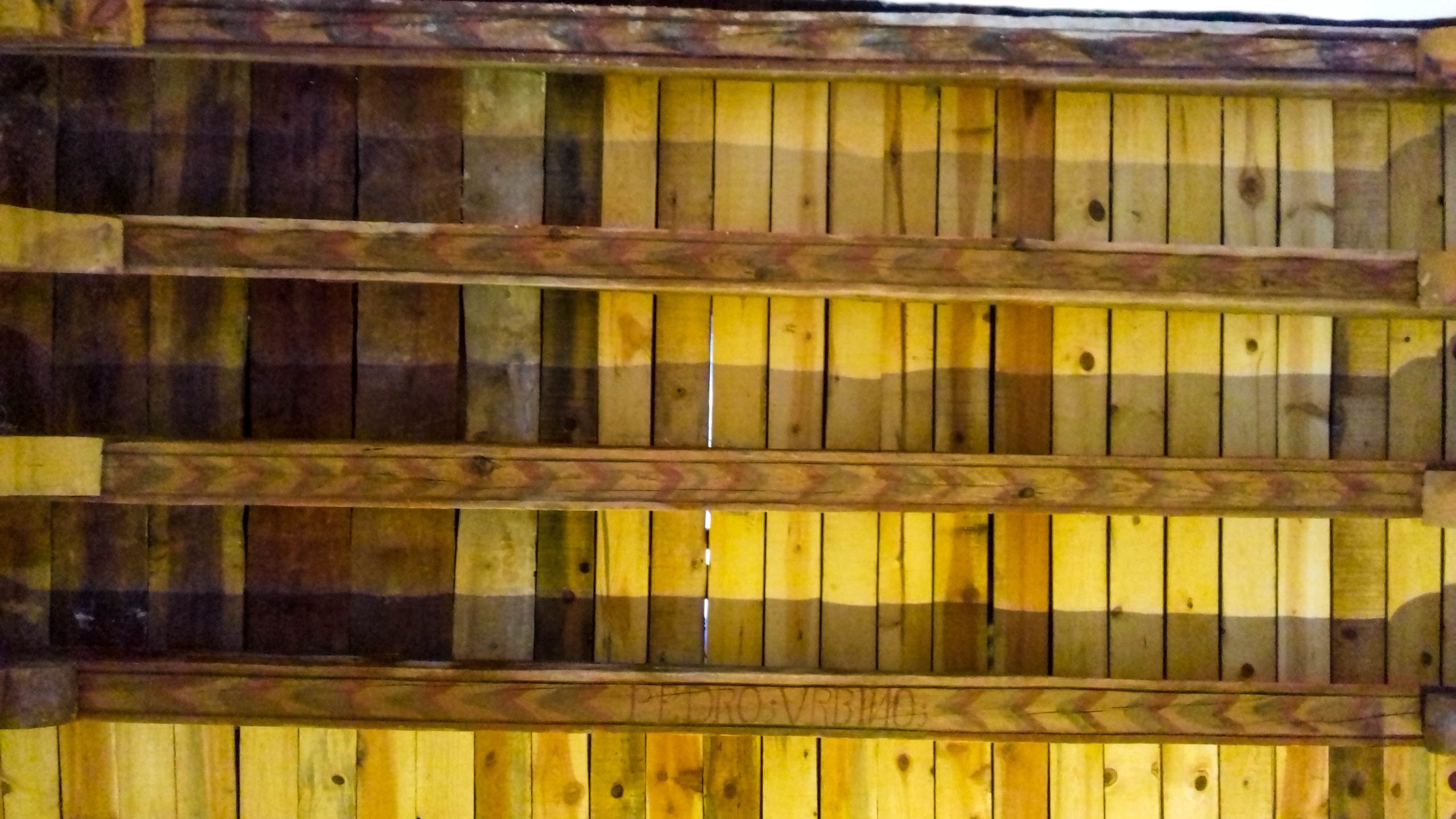
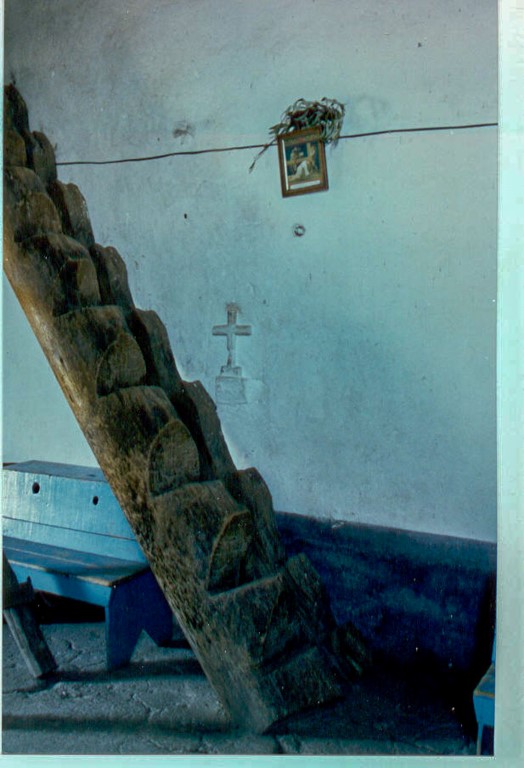
During the restoration of the temple roof, five corbels with polychrome were found, not only on their heads but also on the section of the body buried between the roof parapet and the terrado. This indicates that these corbels were enhanced from polychrome beams that, possibly, had damage in part of their structure, and parts of them were reused as corbels.
The 1833 inscription suggests that these corbels were made at that date from beams previously painted in an earlier period, most likely original. It is important to note, however, that there are some differences in the carving of these corbels, as they were not all carved in the same way.
Non-invasive studies such as X-ray Fluorescence (XRF), UV-VIS-IR Spectroscopy, and colorimetry, as well as UV and False Color photography, were carried out with the participation of the Institute of Physics at the National Autonomous University of Mexico.
The studies conducted confirmed the results previously obtained through FTIR infrared spectrometry and optical microscopy: the red pigment is made from iron oxides (red earths), and the black pigment is organic, derived either from wood combustion or soot.
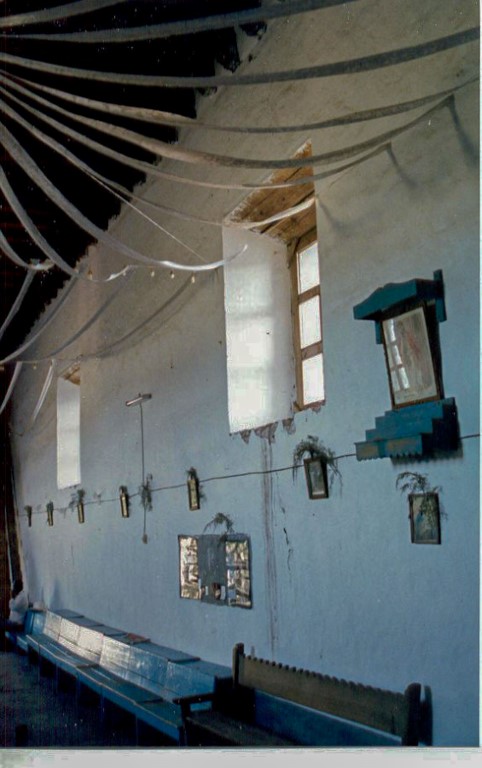
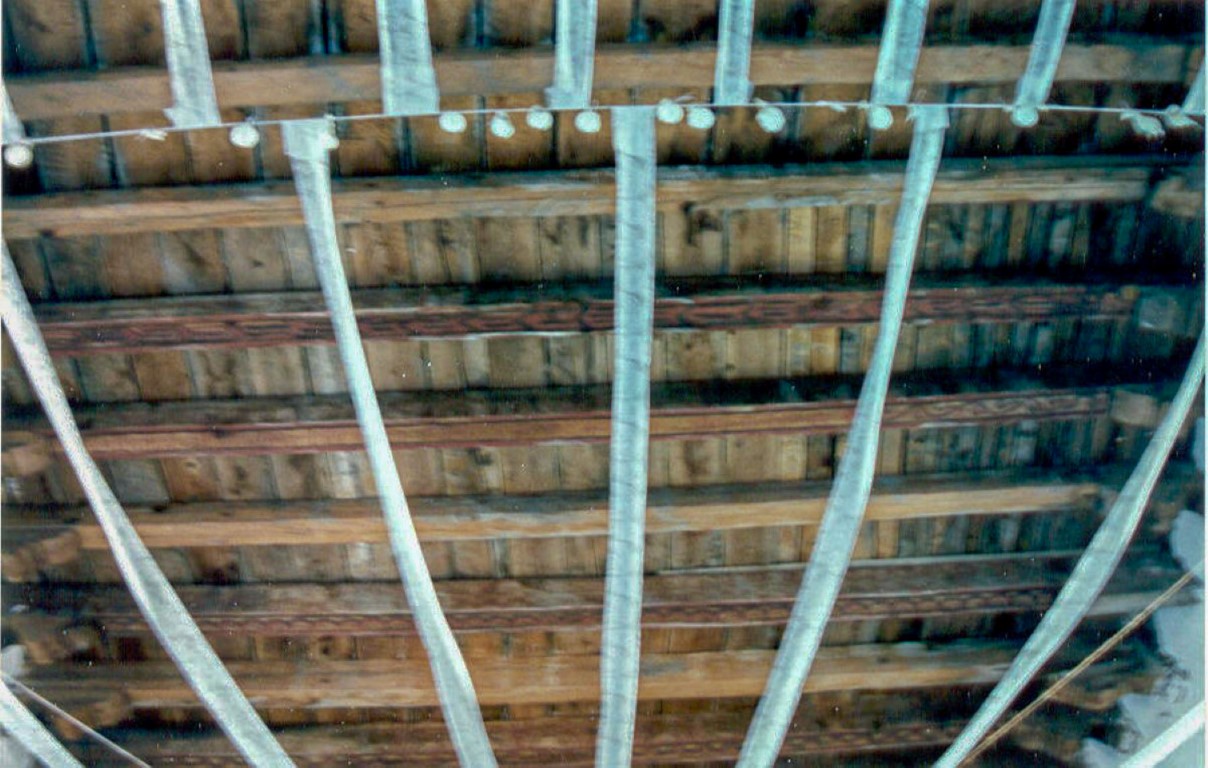
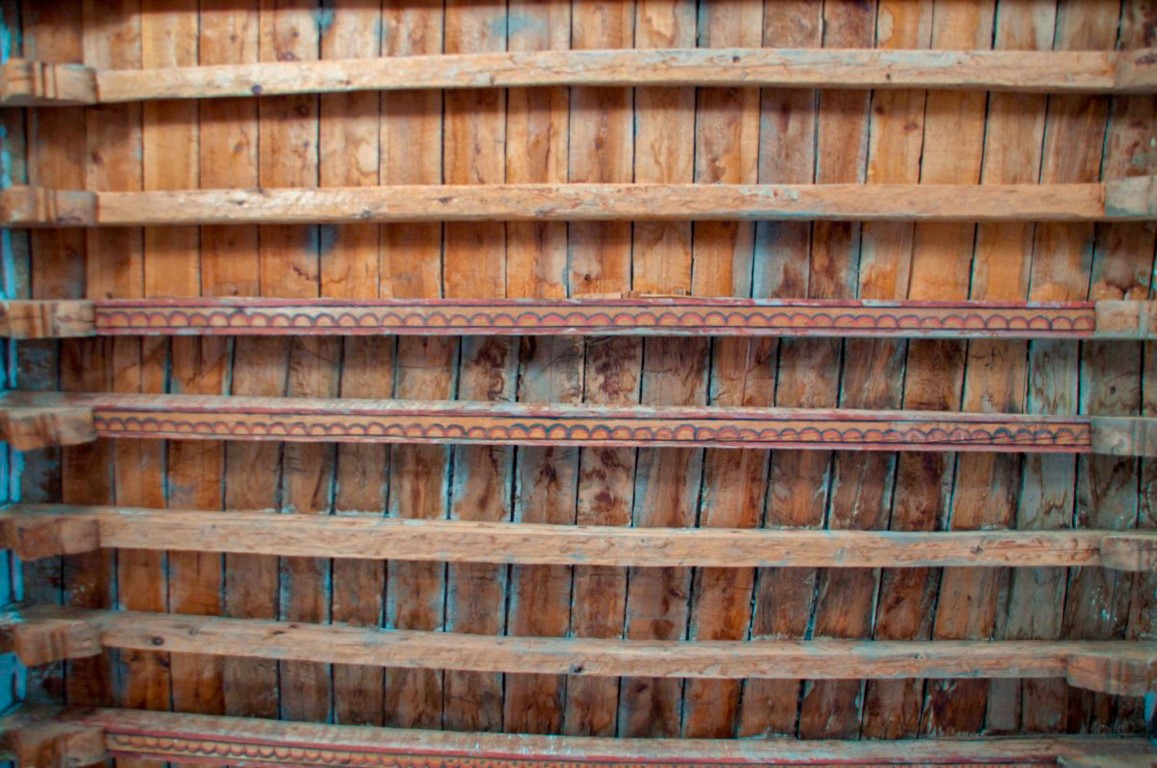
An inscription on one of the beams refers to another intervention carried out in the year 1830 by the indigenous governor José Ventura. The inscription reads verbatim: “GOBERNADOR; JOSE; BENTURA; MAMARE; MZO: 3. D.1830,” but it does not specify whether the intervention involved major structural work or was limited to decorating the beams using the same paint as the inscription. Although the decoration has disappeared from almost the entire roof, traces of a simple design in red, black, and white colors remain.
INVERSION 570,000.00 MXN
PHASE I
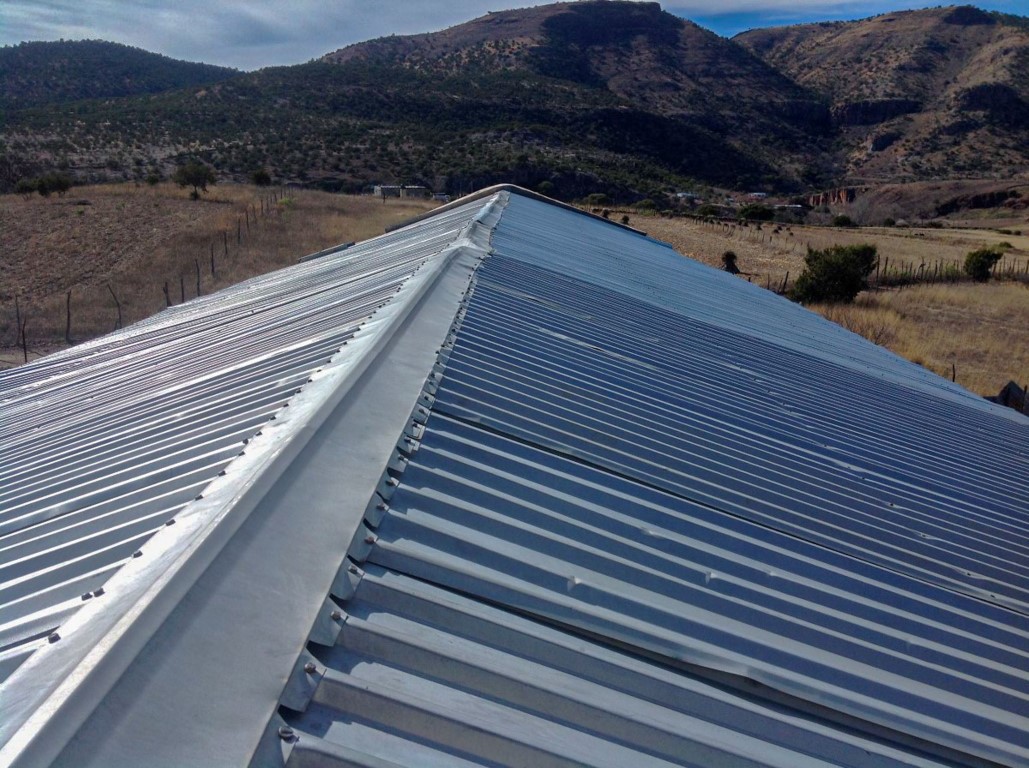
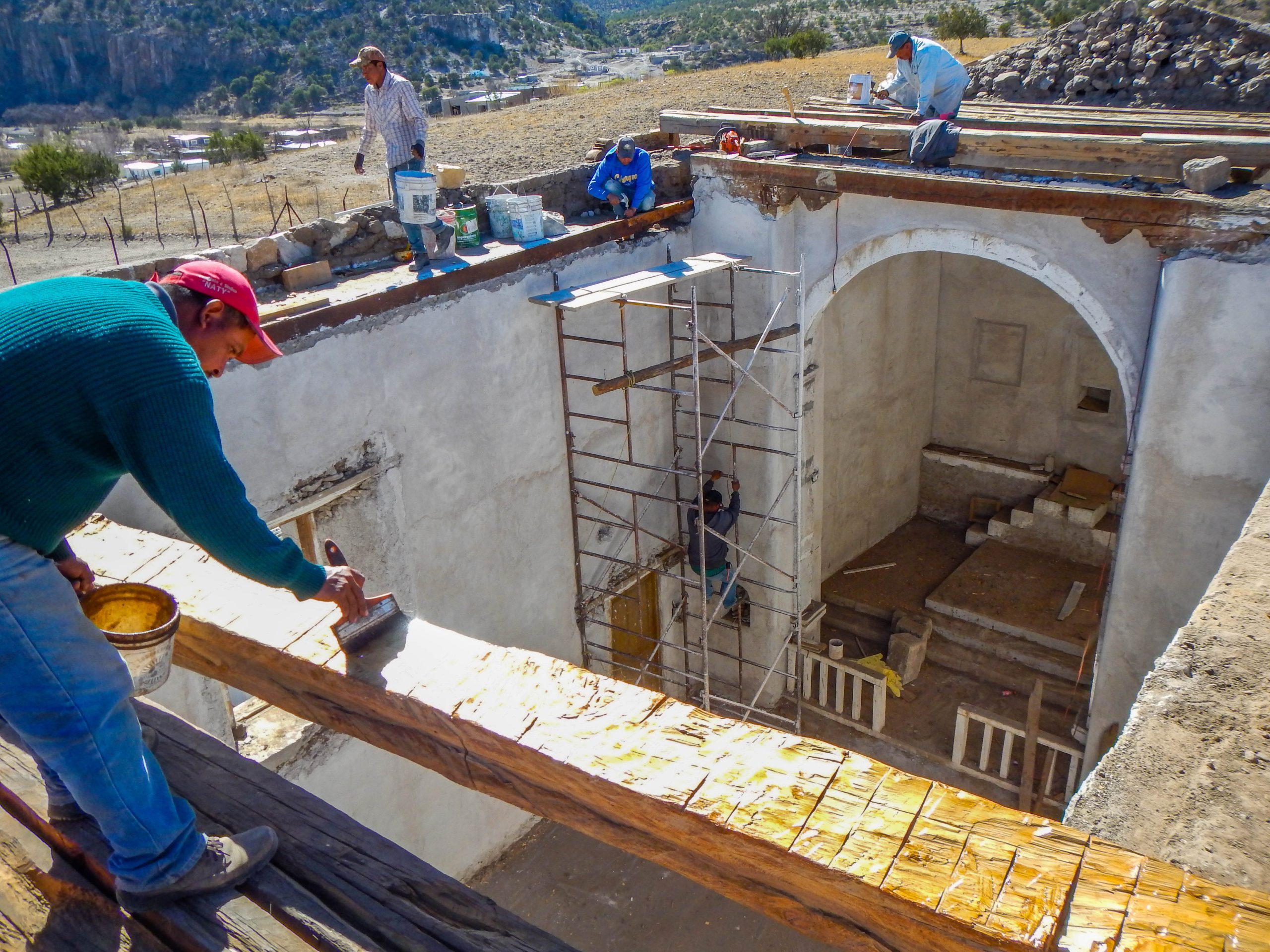
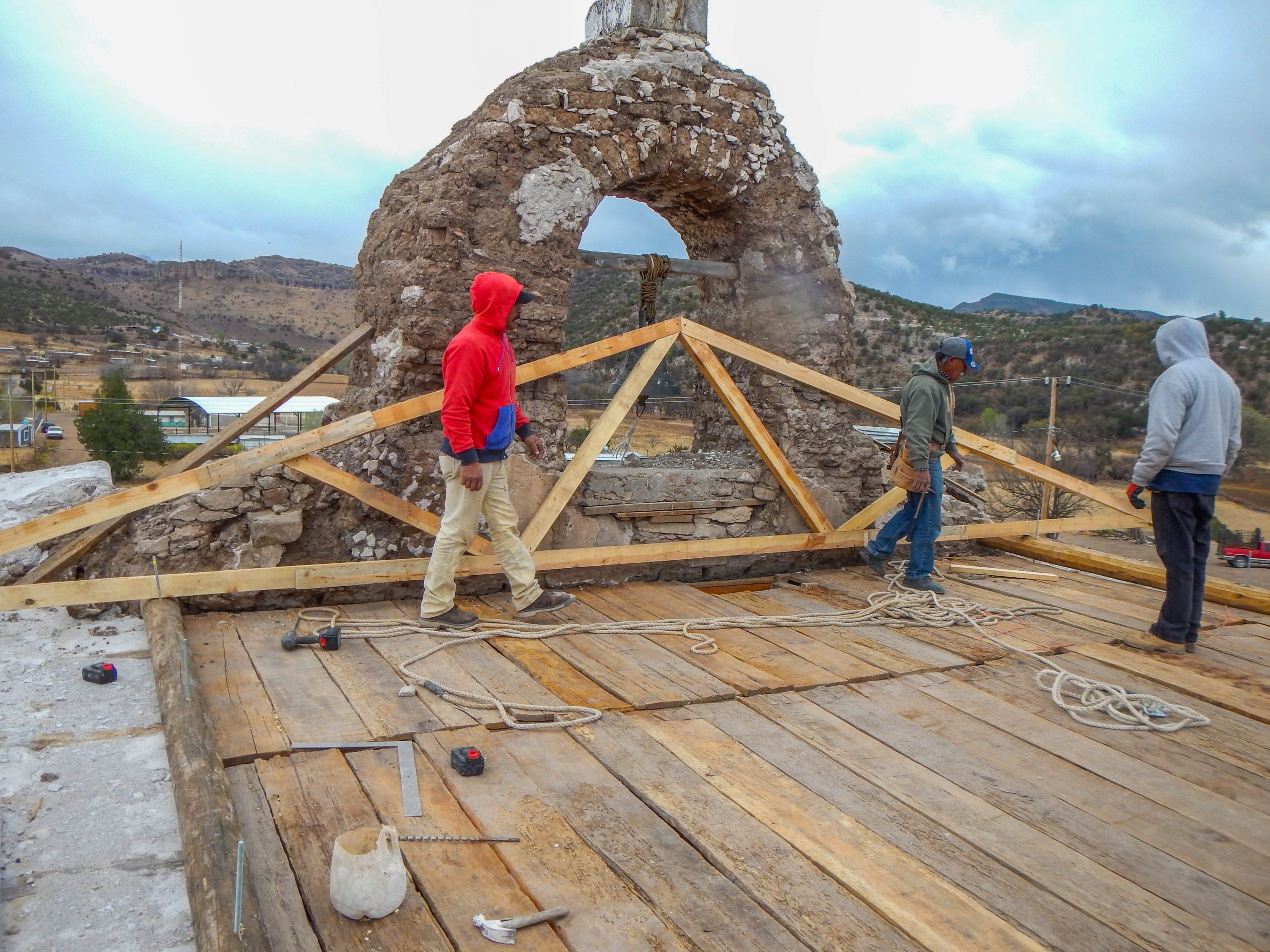
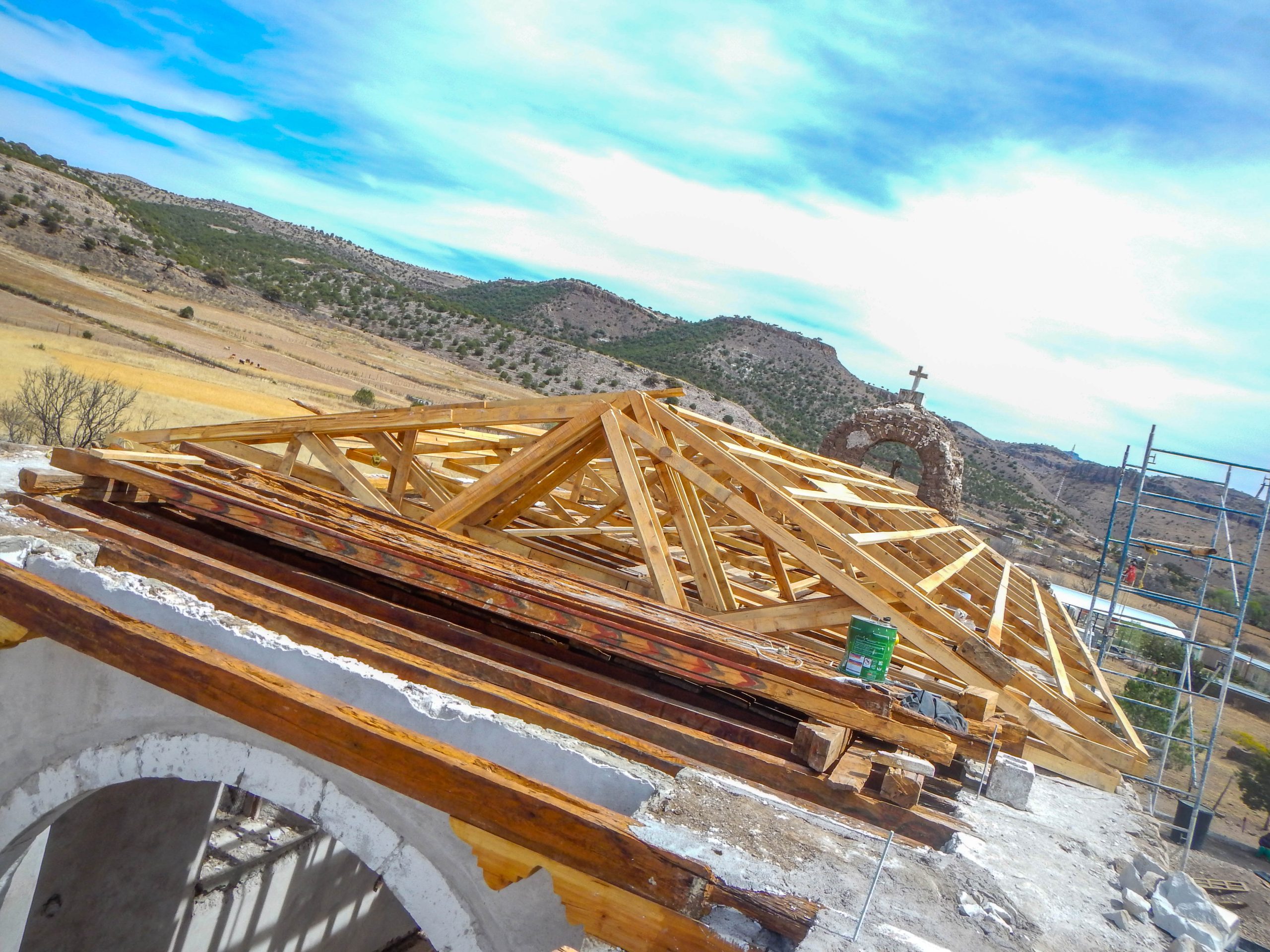
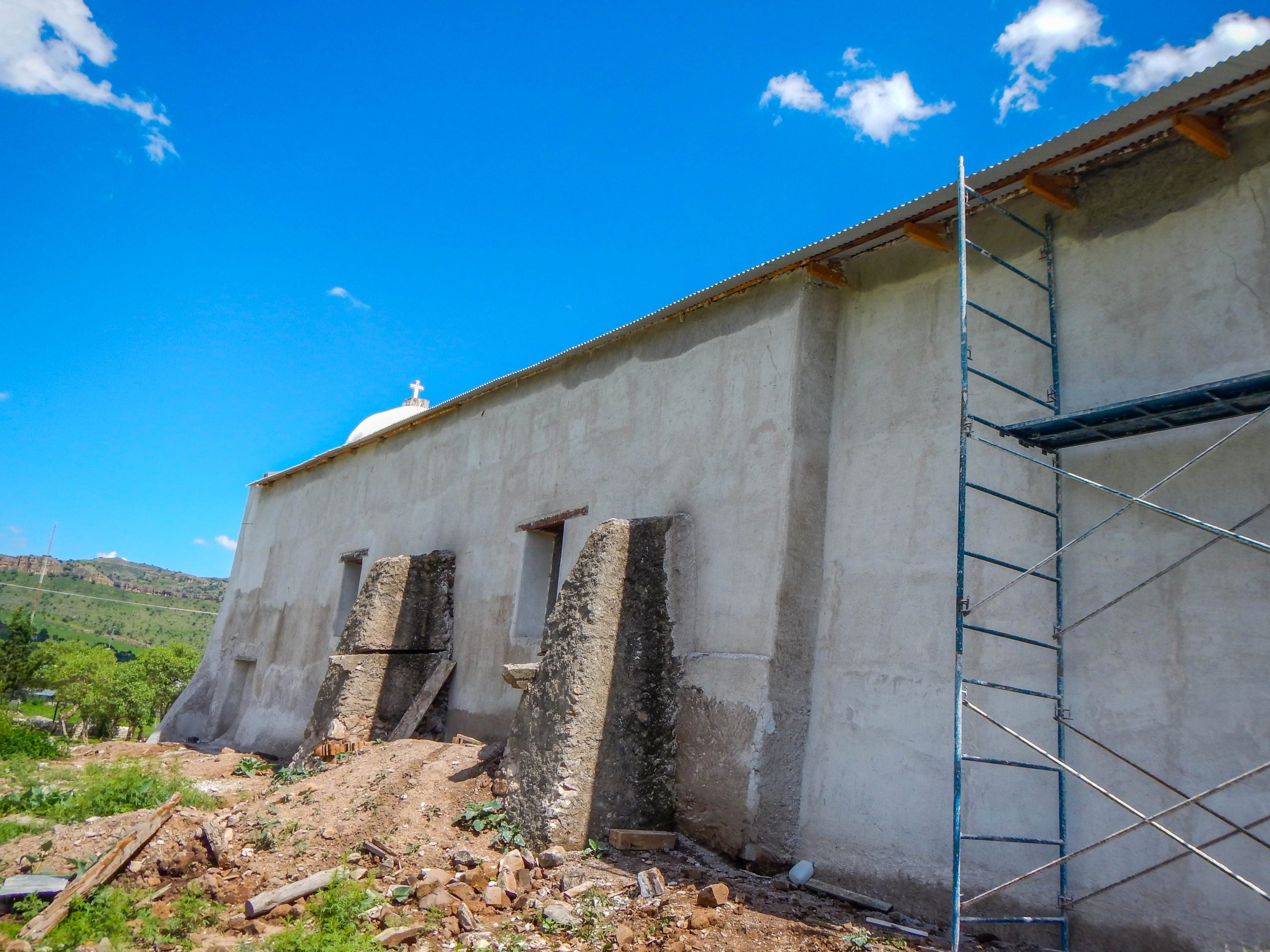
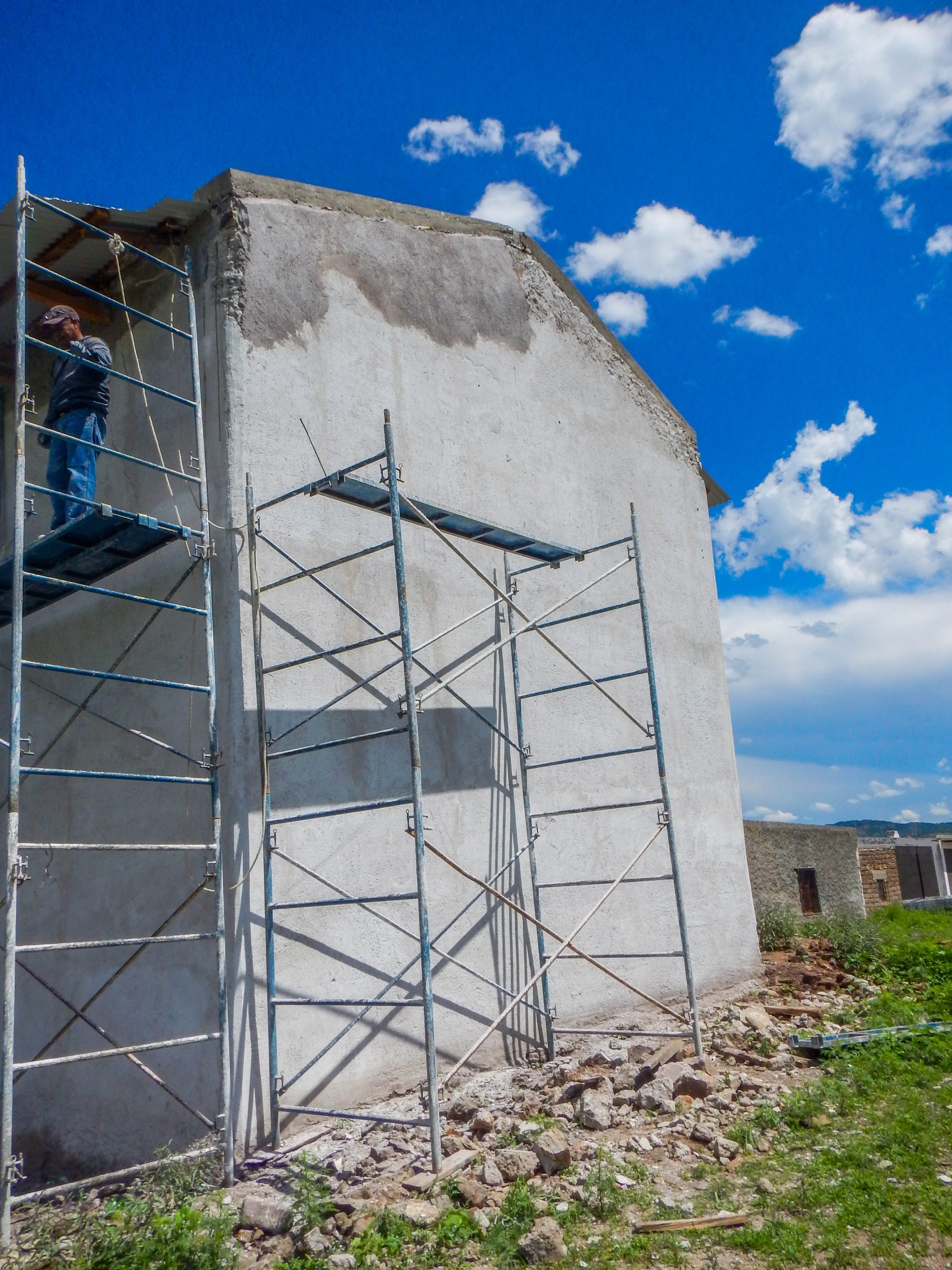
Removal of added elements on interior and exterior walls, removal of the flat roof affected by wood-eating insects, and removal of the gabled roof.
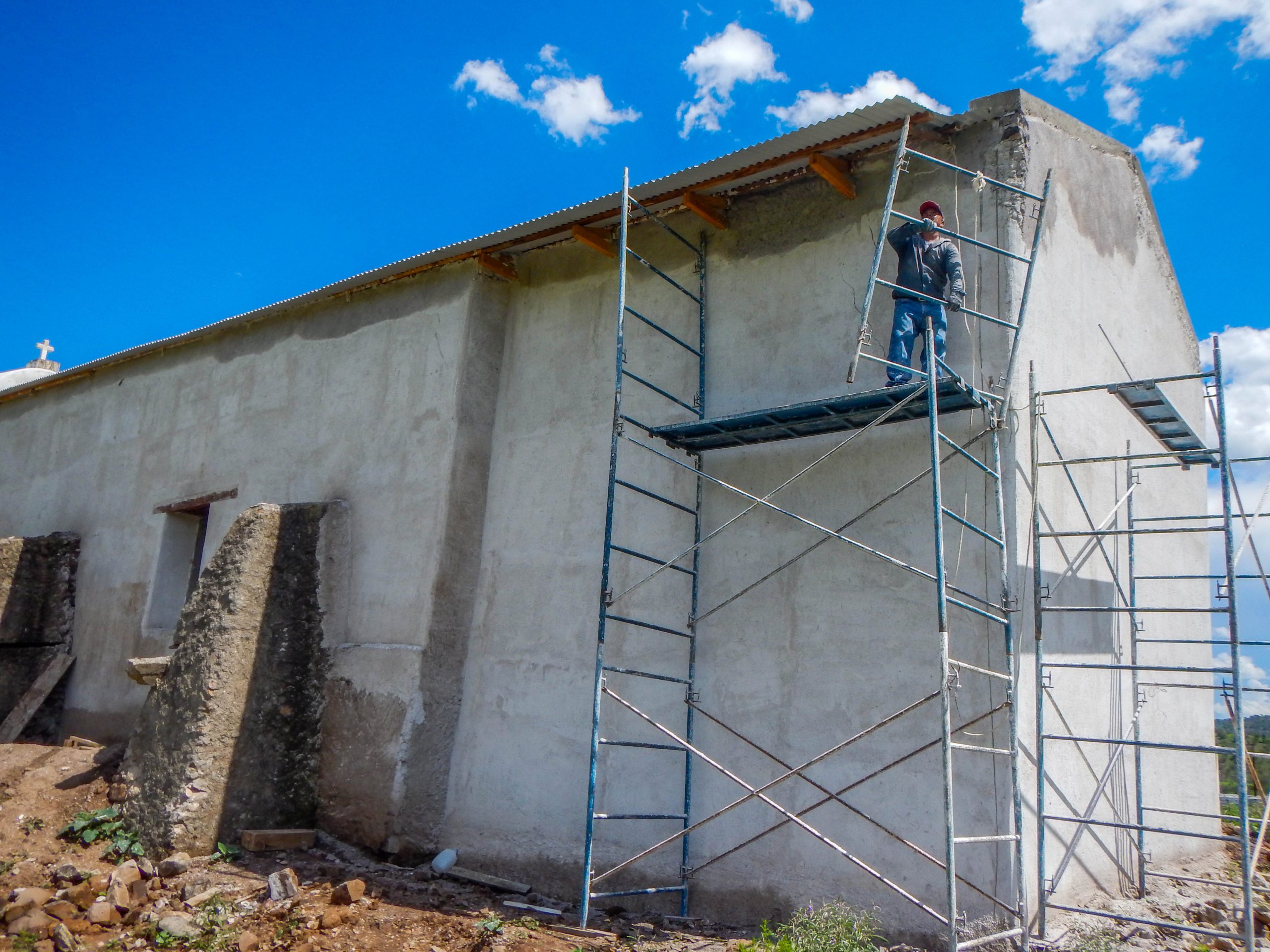
Reintegration of sheet metal roofs with polychrome decoration, as well as the application of lime-sand plaster on interior and exterior surfaces.
- Support Fund for Communities for the Restoration of Monuments and Artistic Assets of Federal Property (FOREMOBA, 2015).
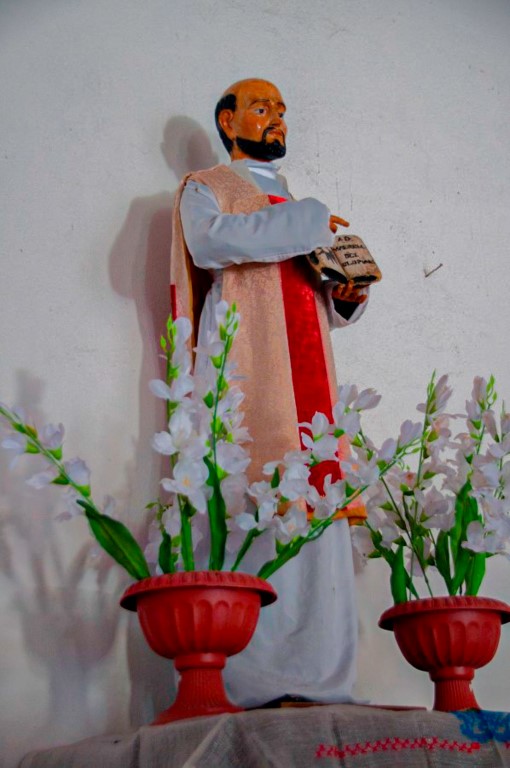
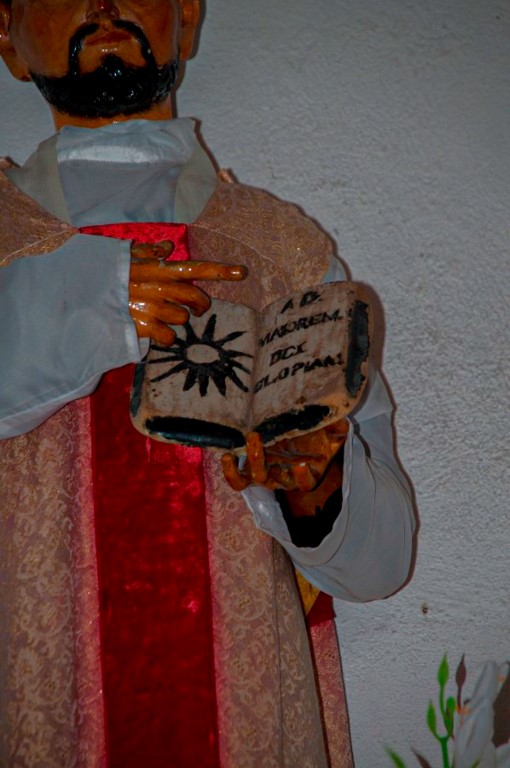
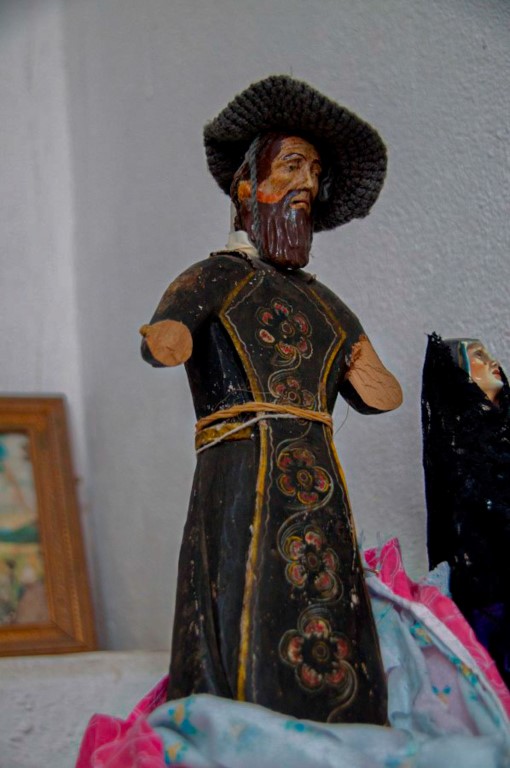
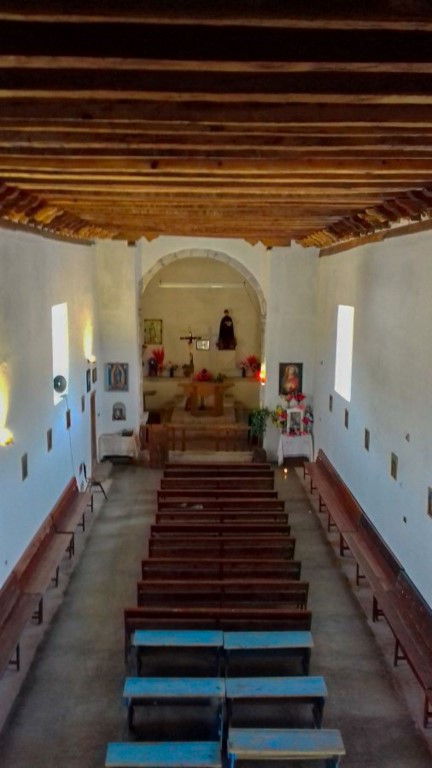
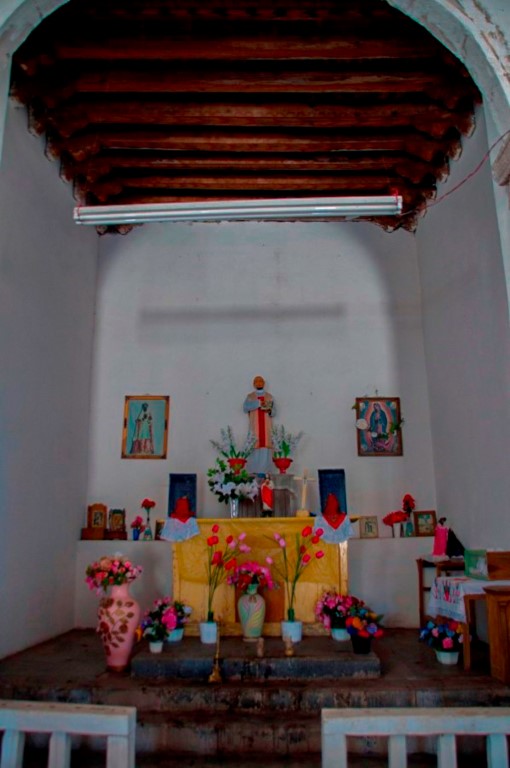
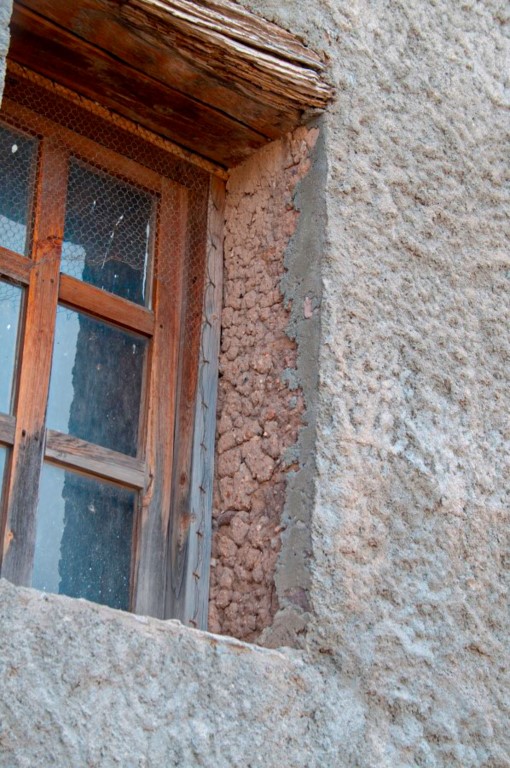
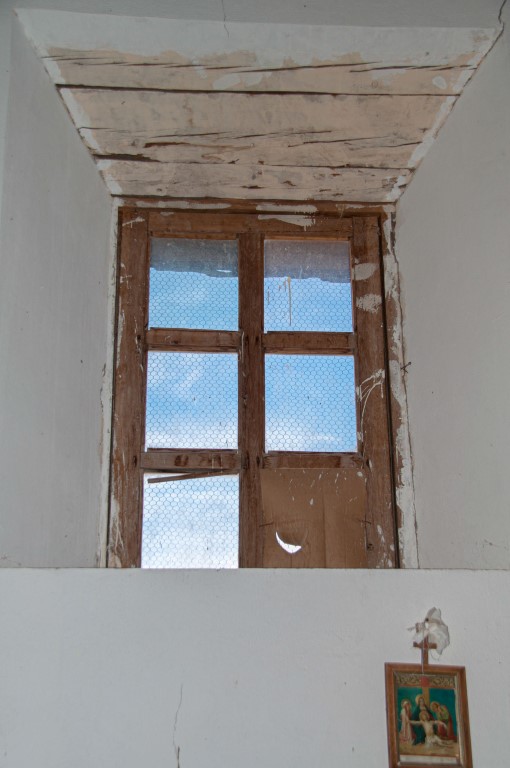
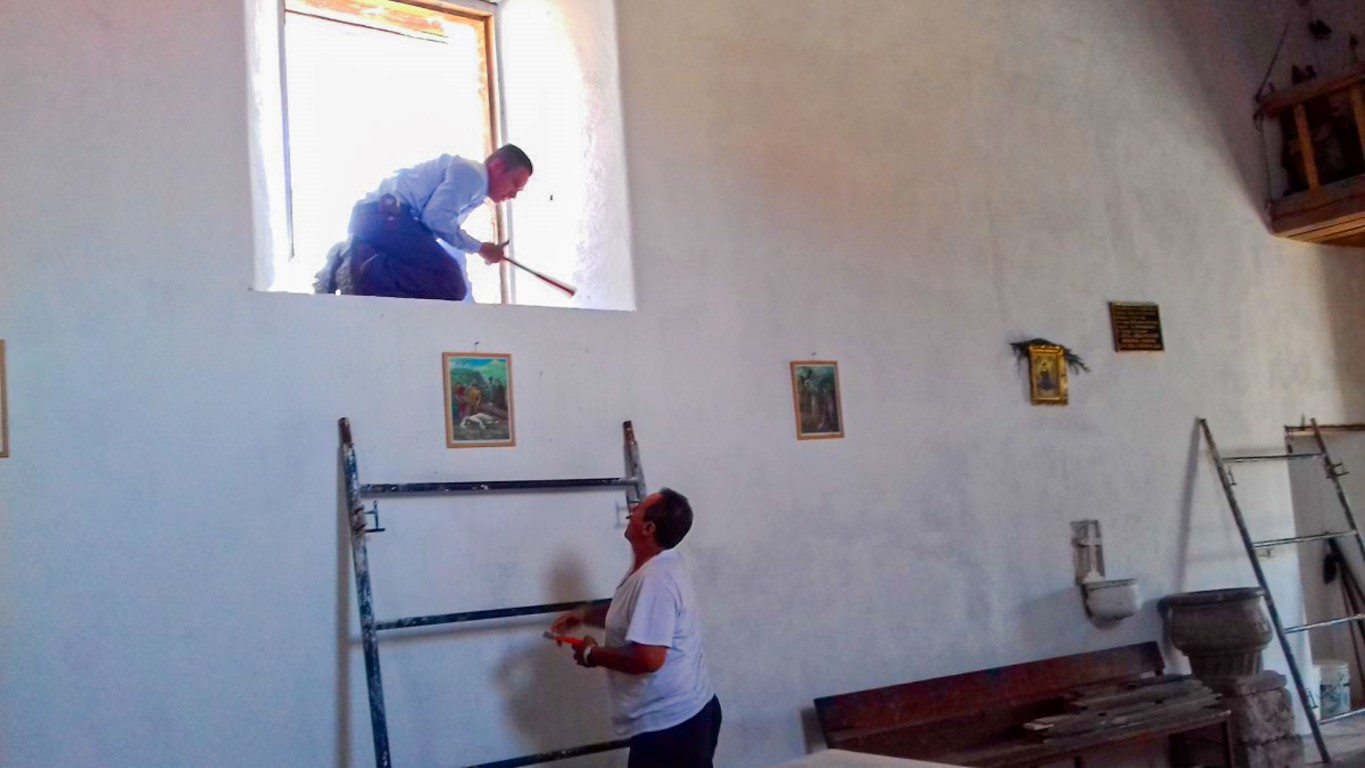
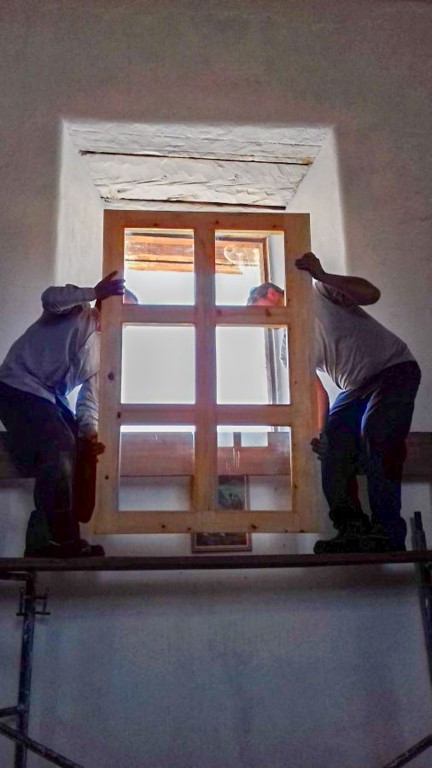
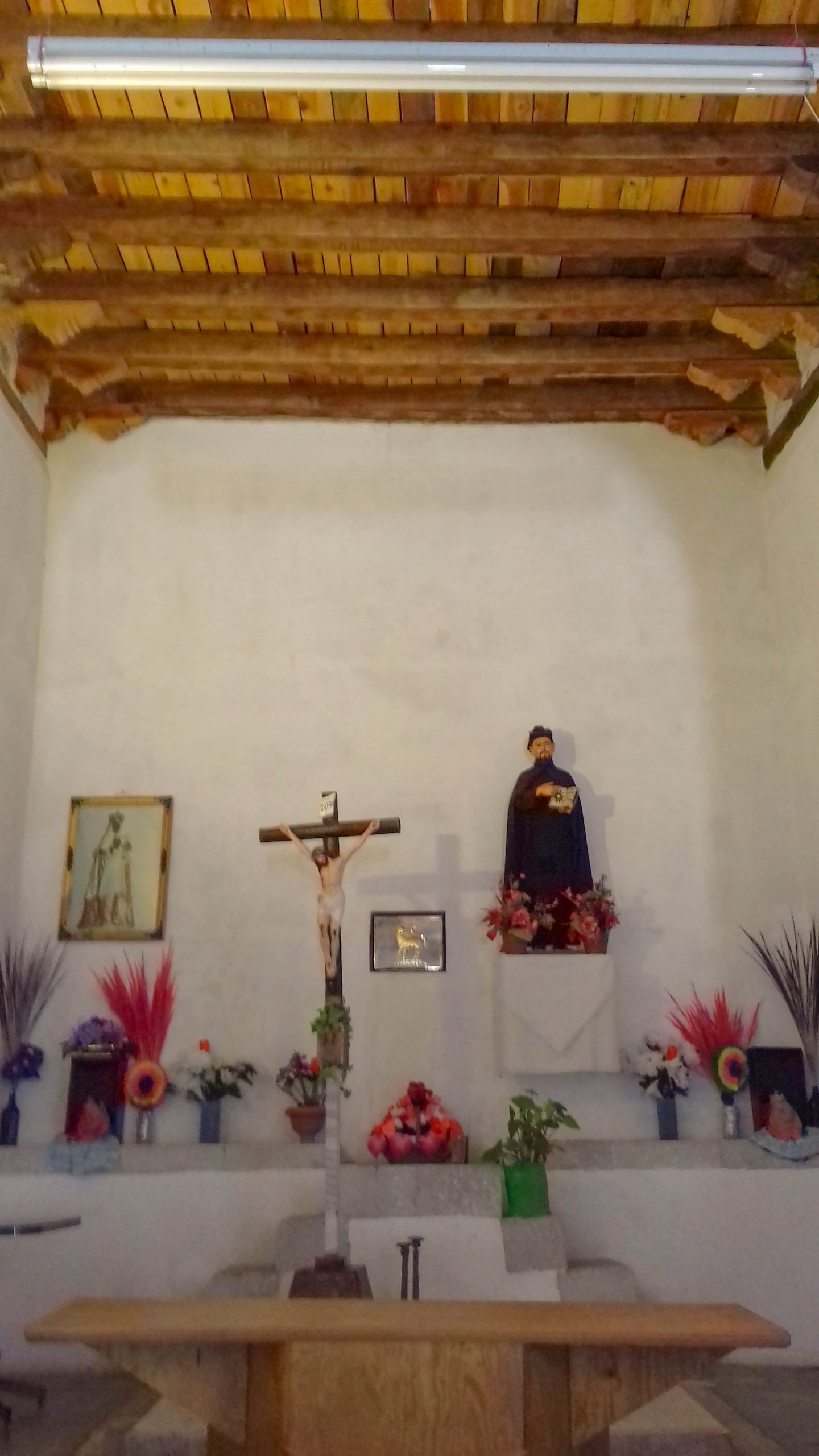
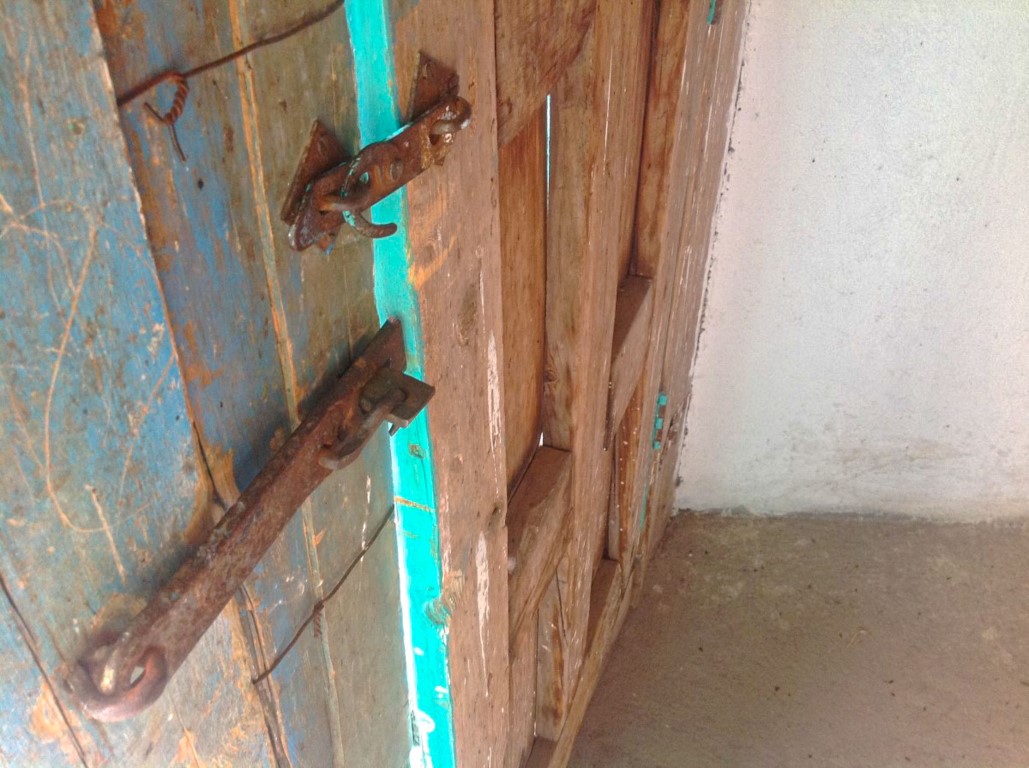
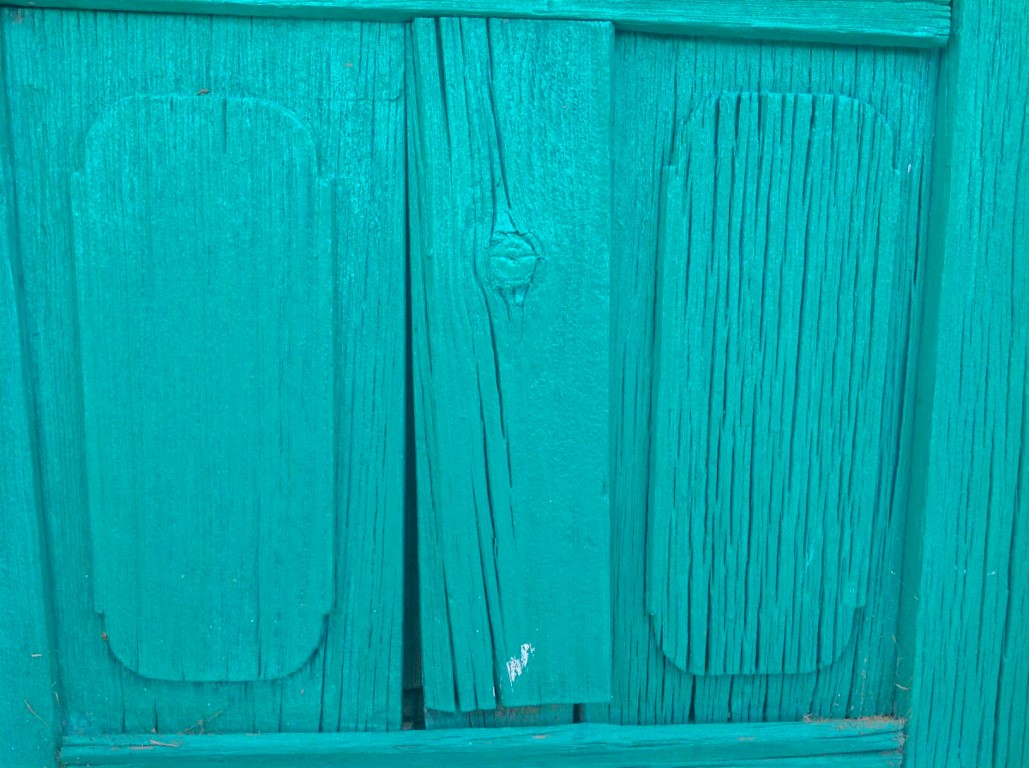
Supply and installation of three wooden windows. The embedding of the tabernacle into the niche intended for it in the presbytery wall was carried out by the master mason and the priest, as well as the assembly of a base for placing the image of San Ignacio de Loyola.
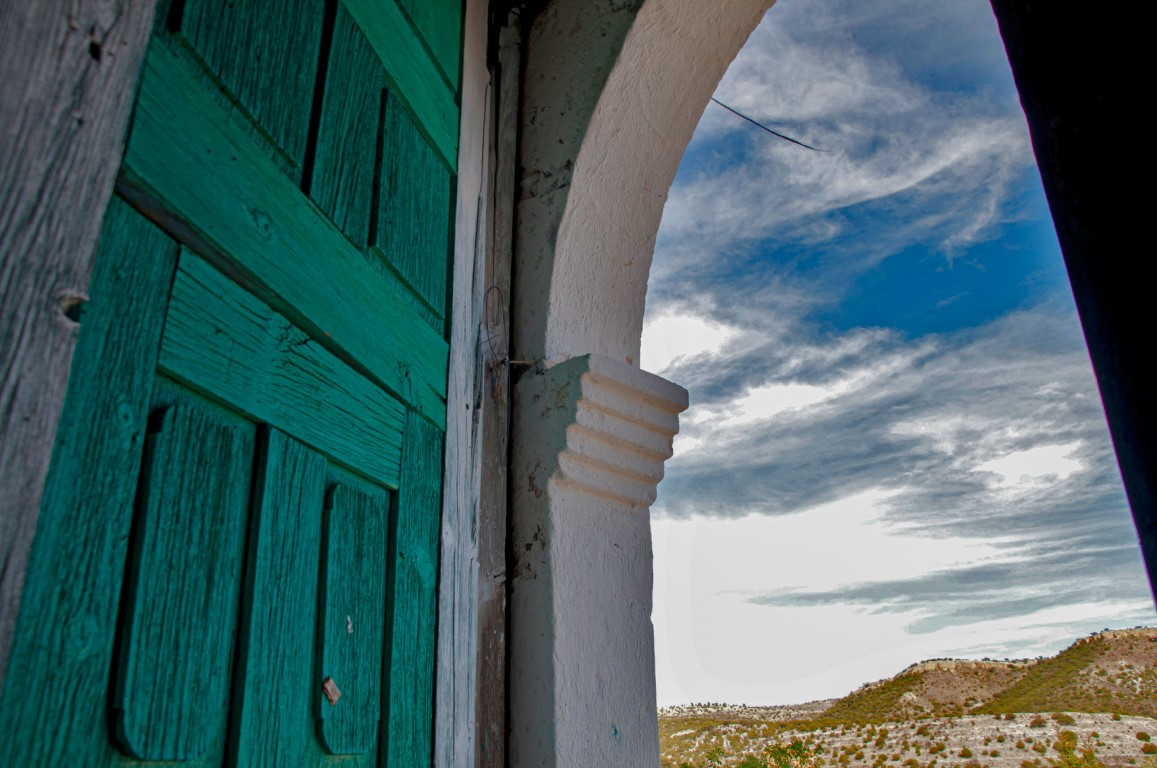
Application of lime-based paint, installation and mounting of LED-type lighting for the wooden roof. Placement of handrails and cantera stone steps, and delivery of wooden corbels with polychrome finishes.
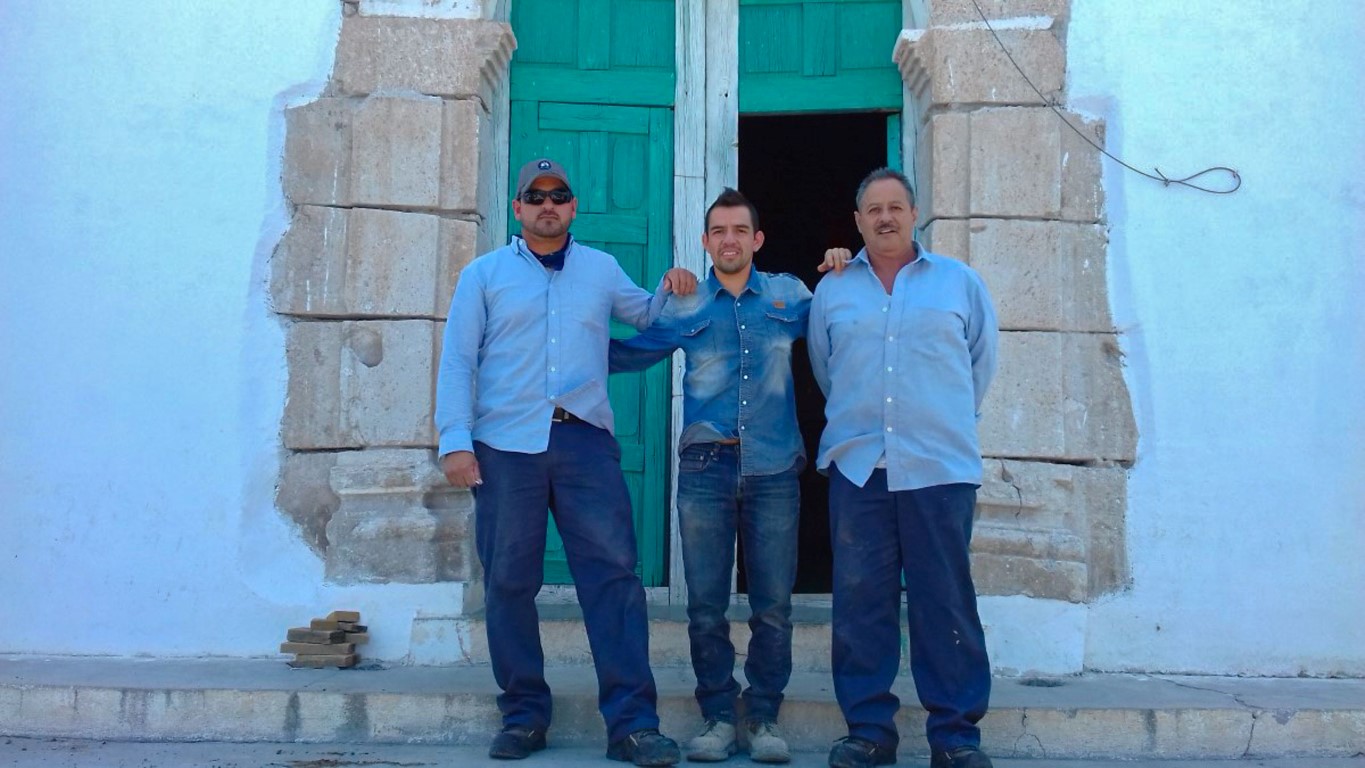
The work was carried out under the approval and supervision of INAH, with periodic progress reports submitted and a final inspection visit conducted.