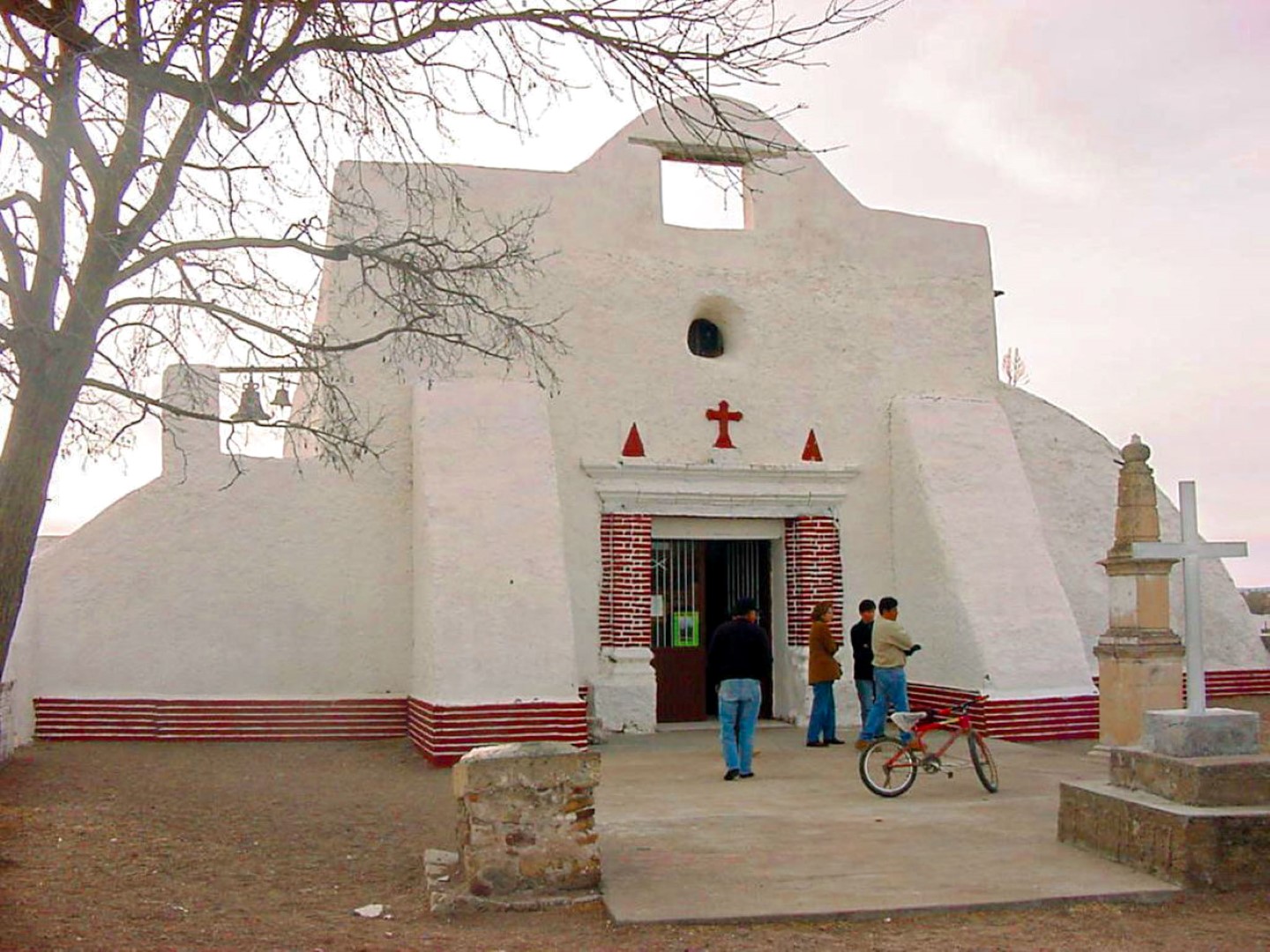
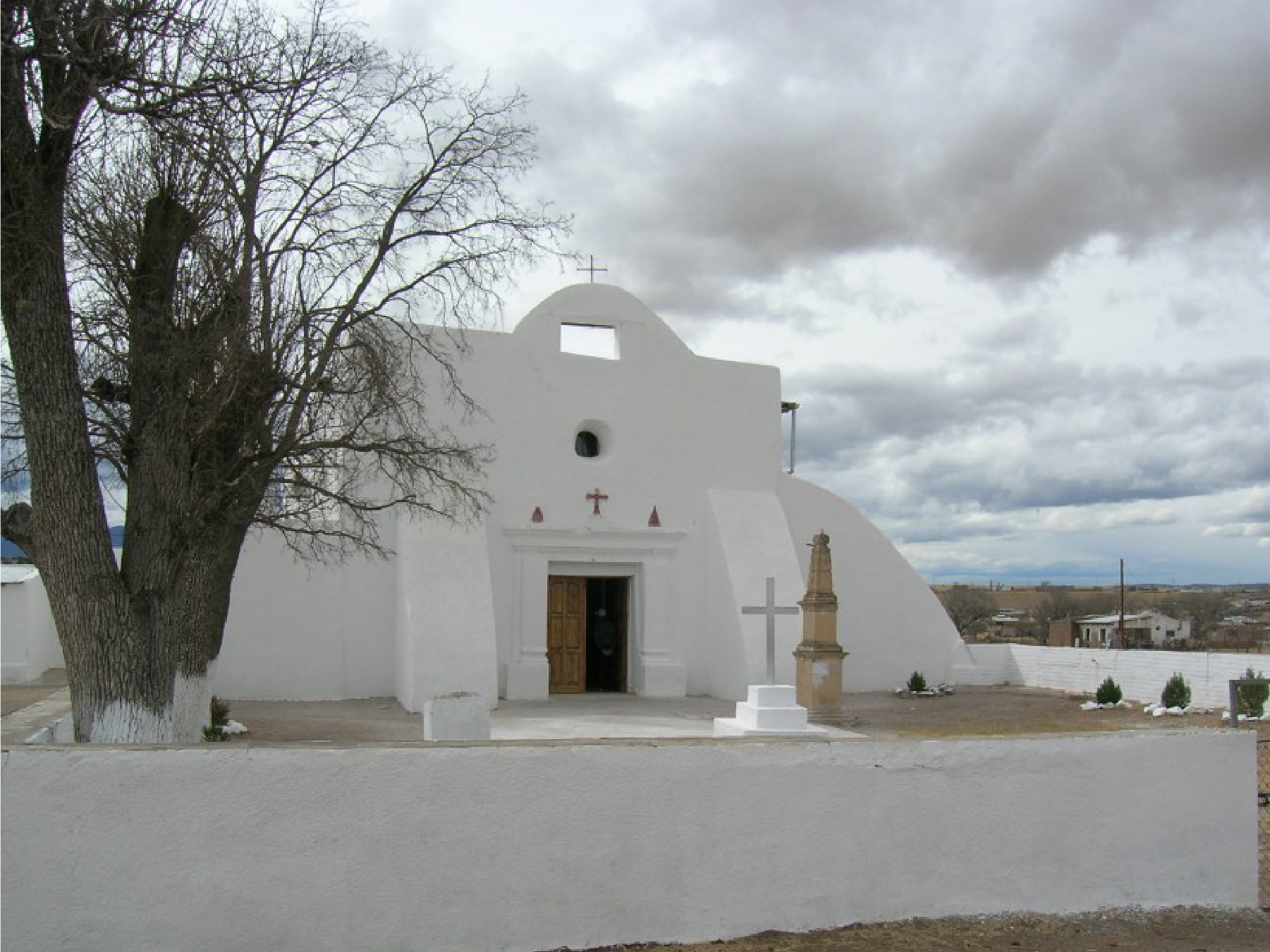
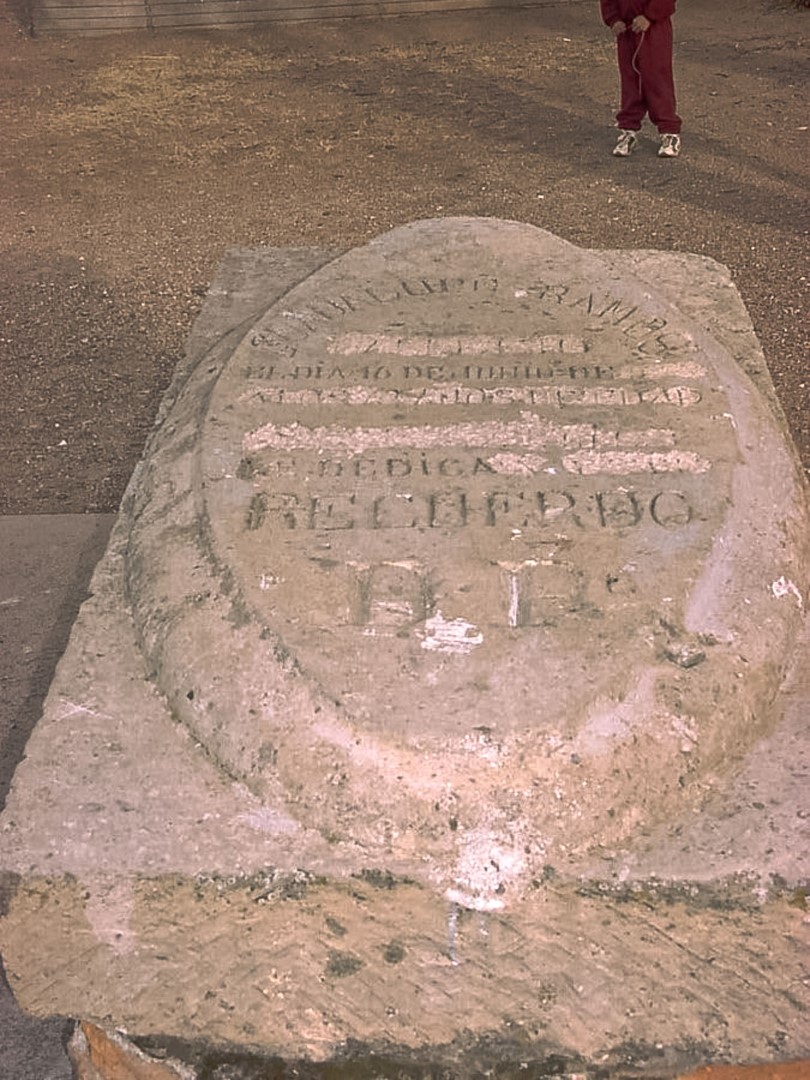
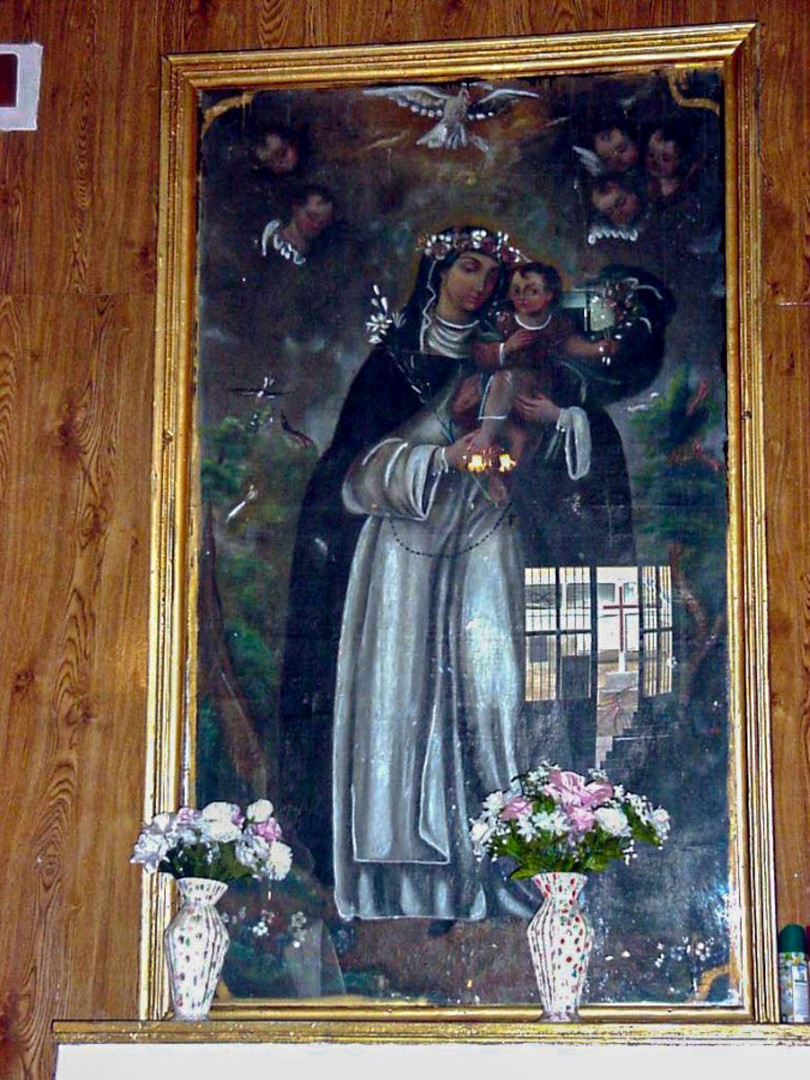
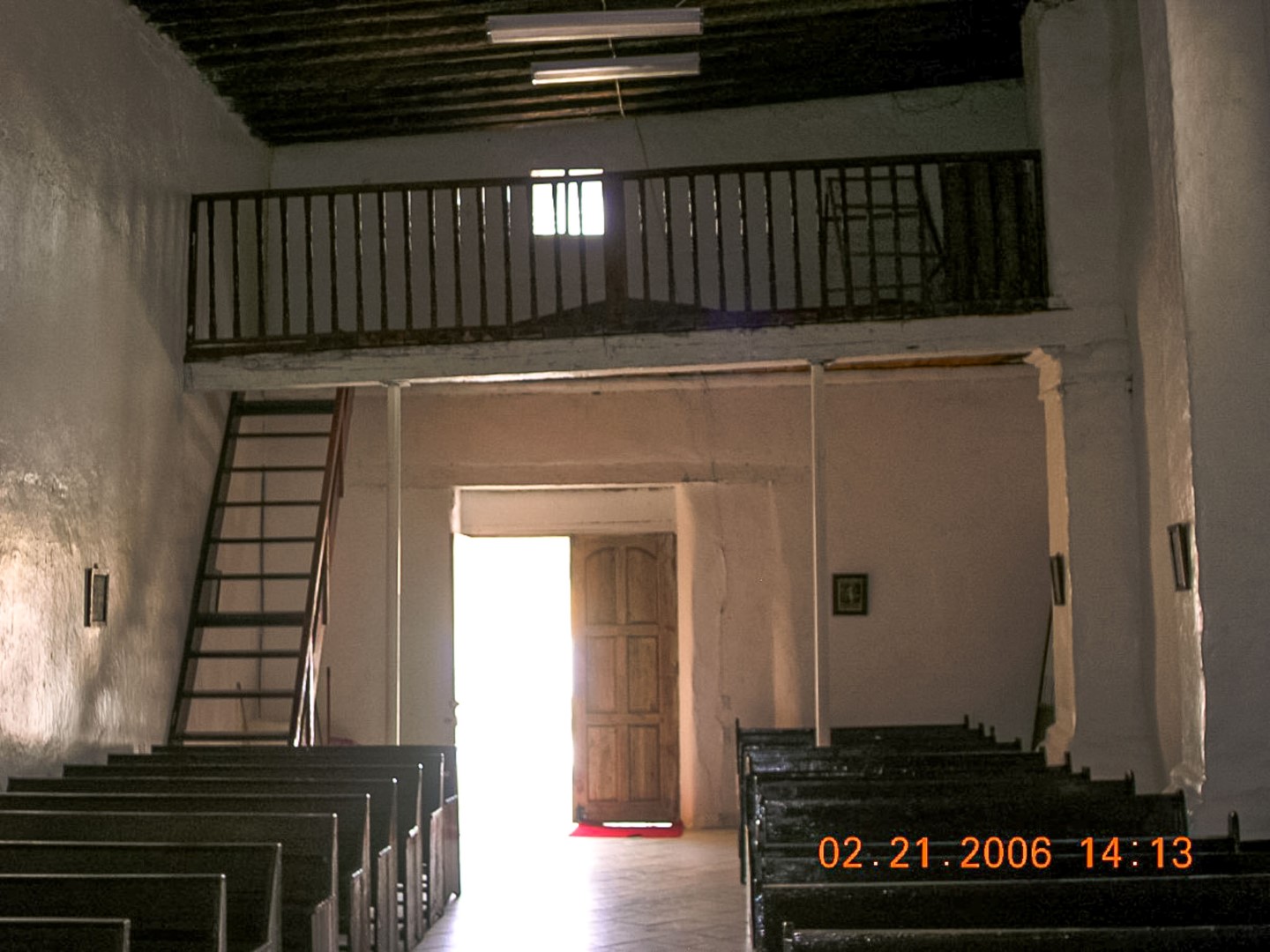
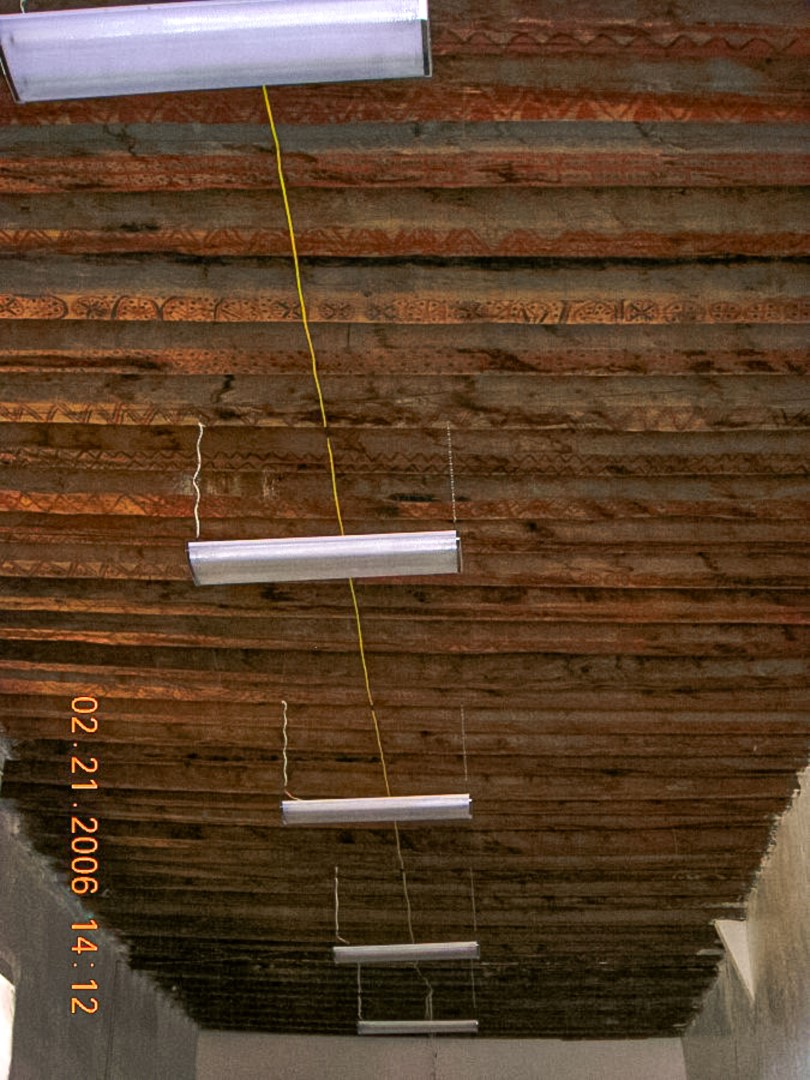
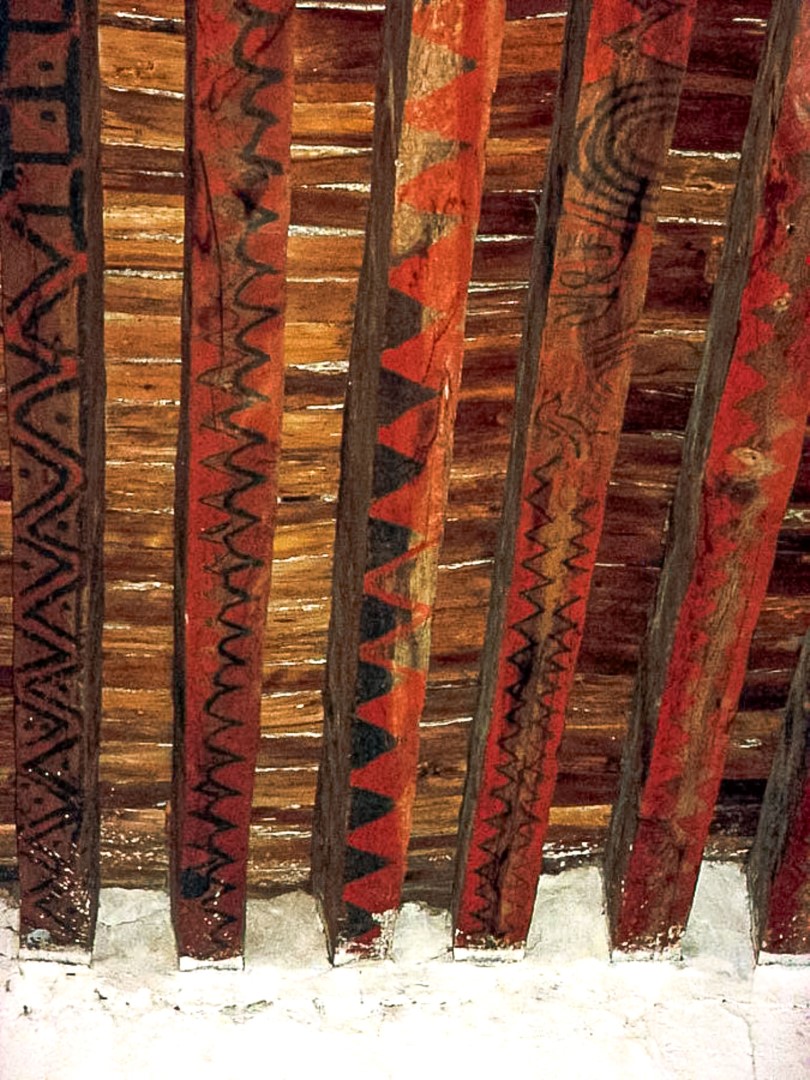
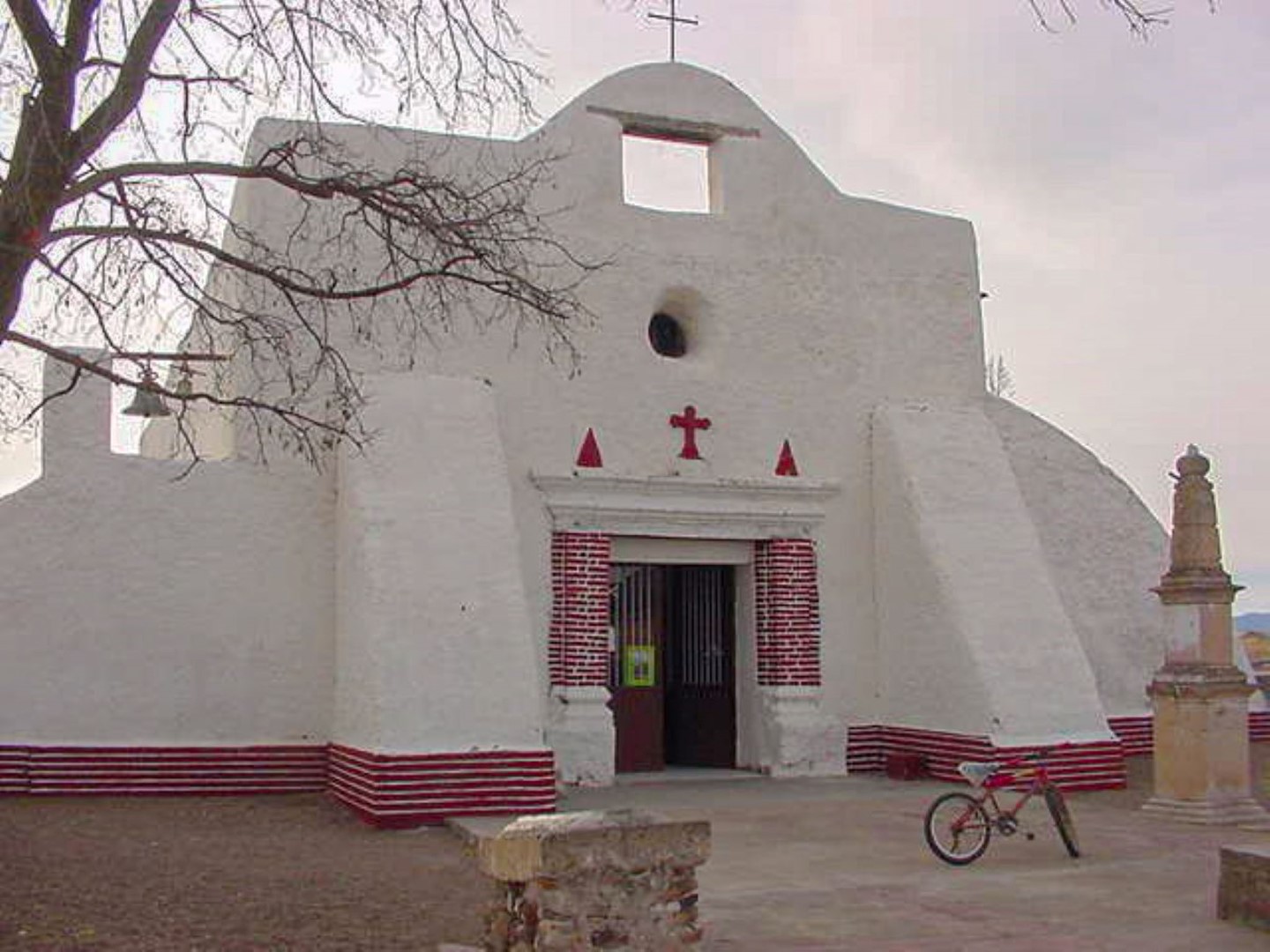
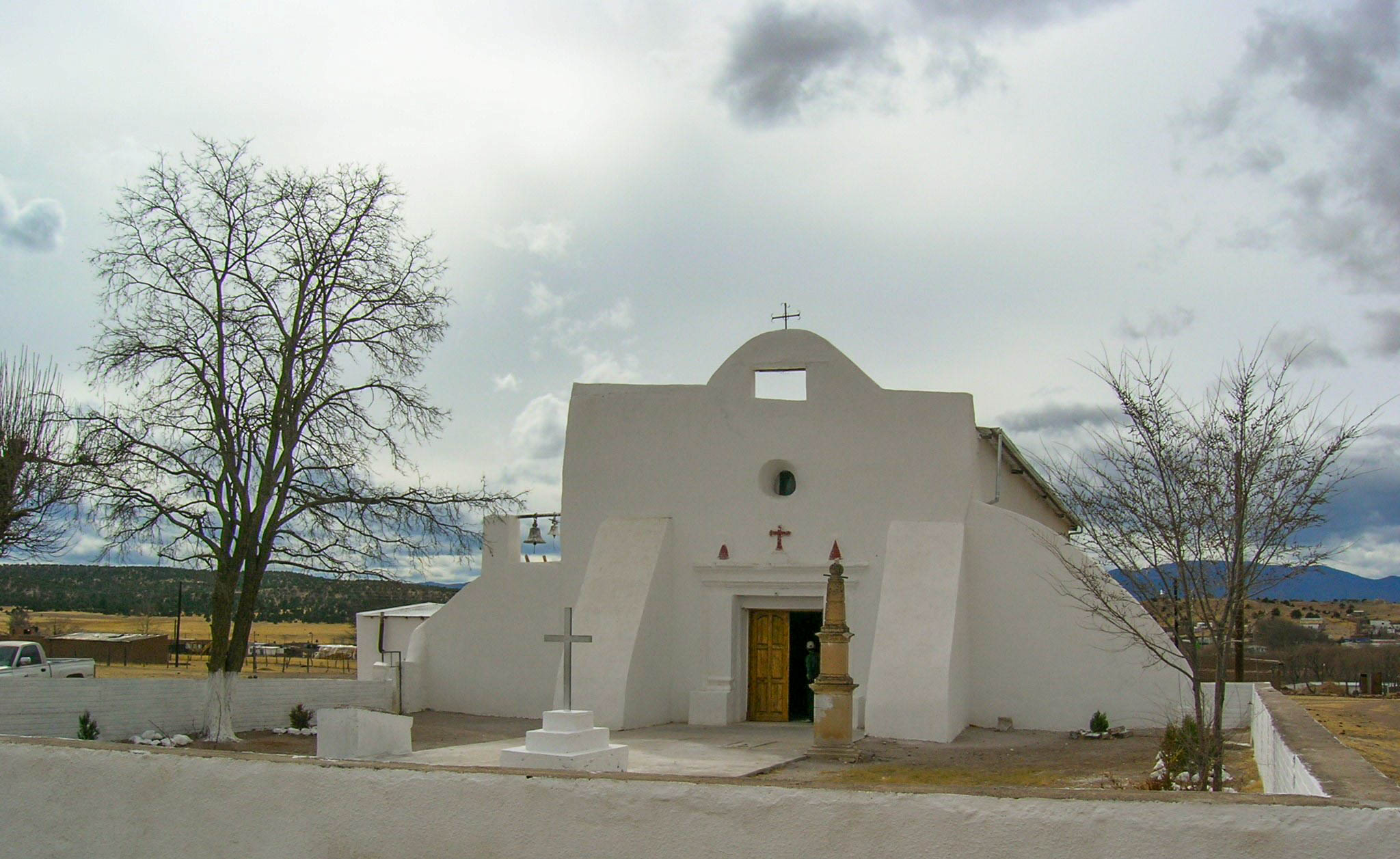
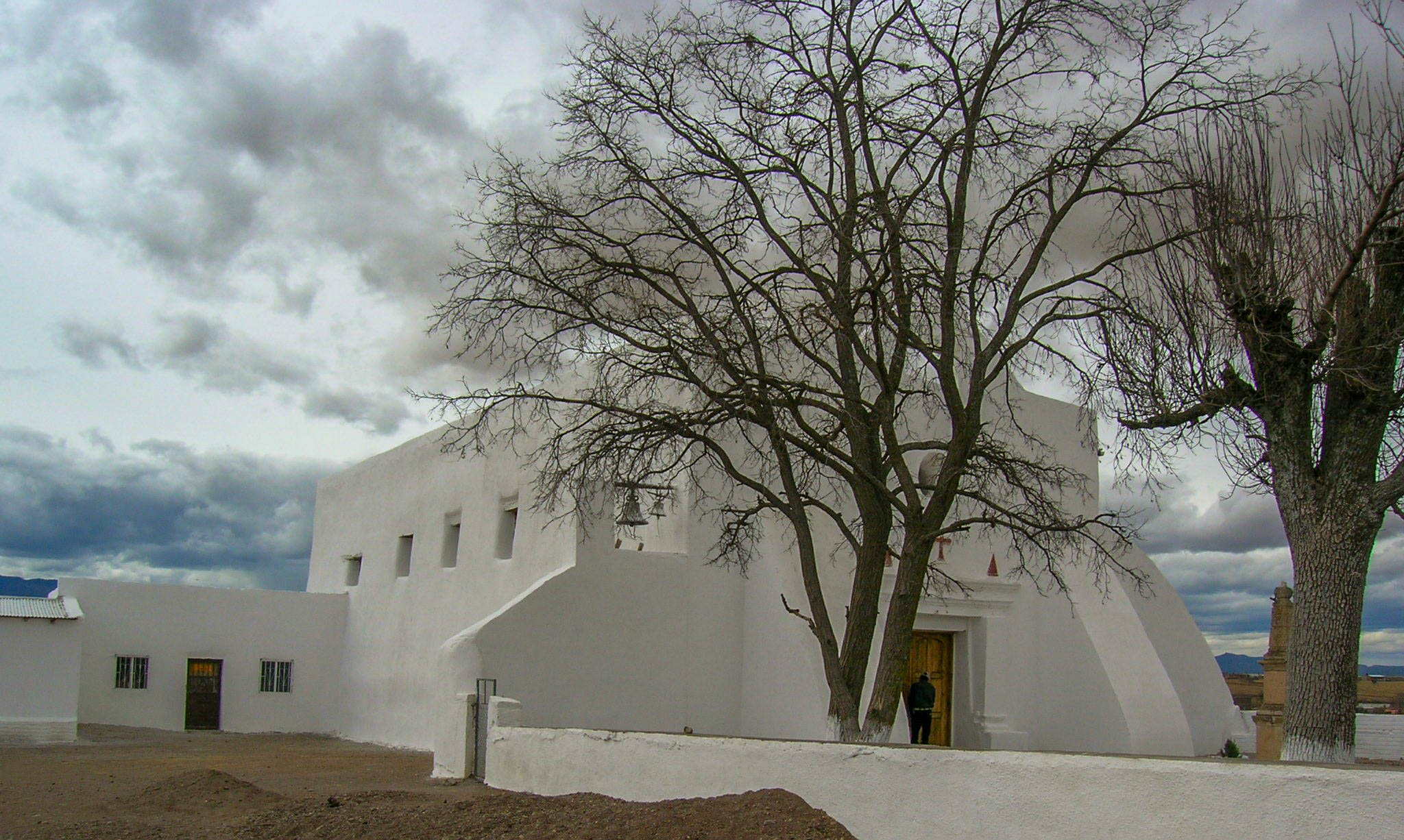
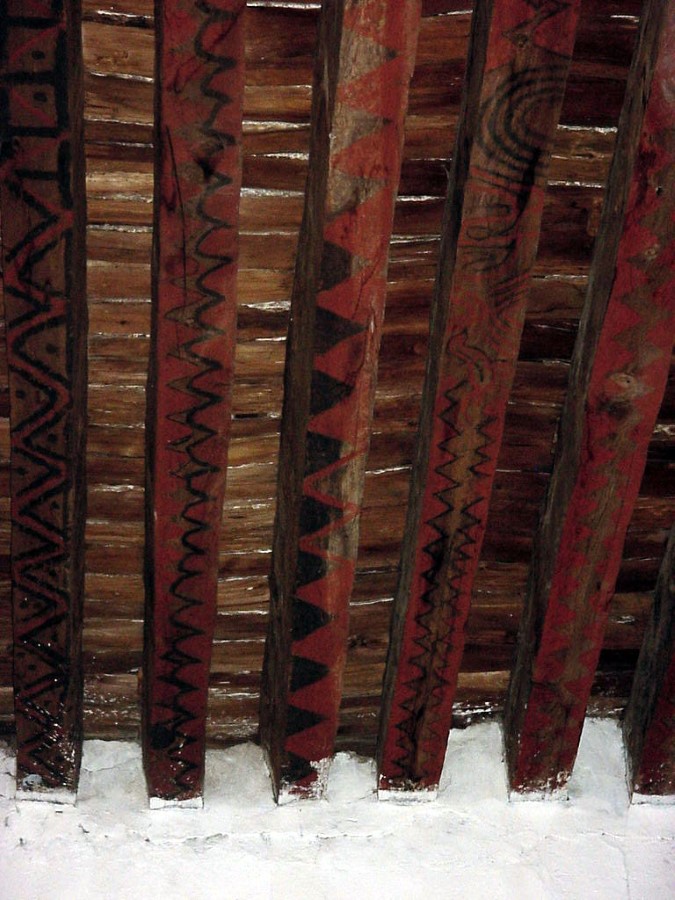
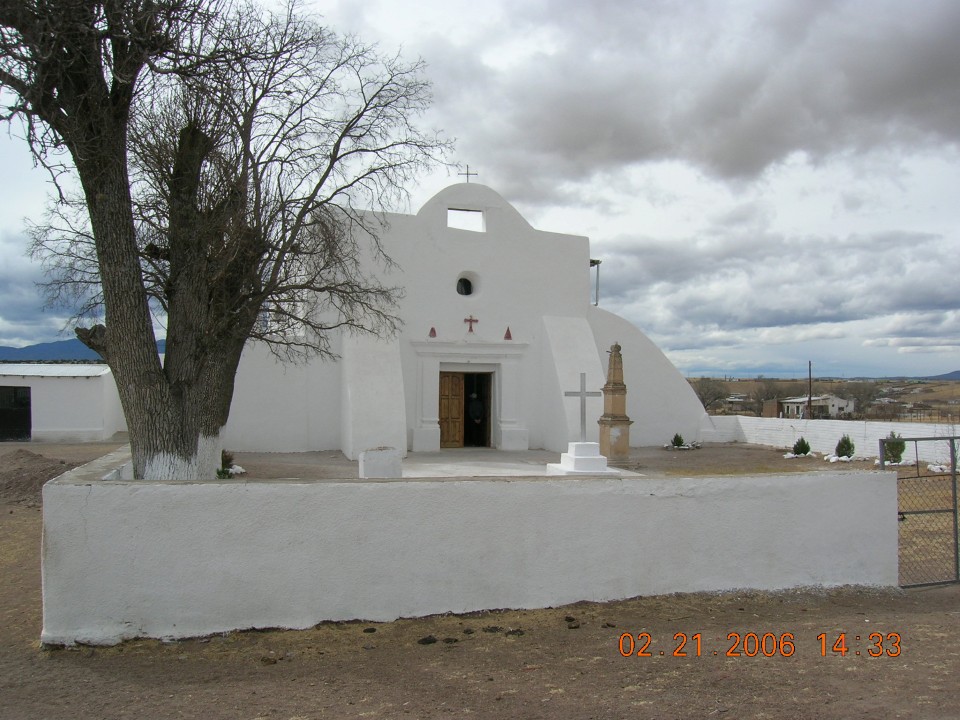
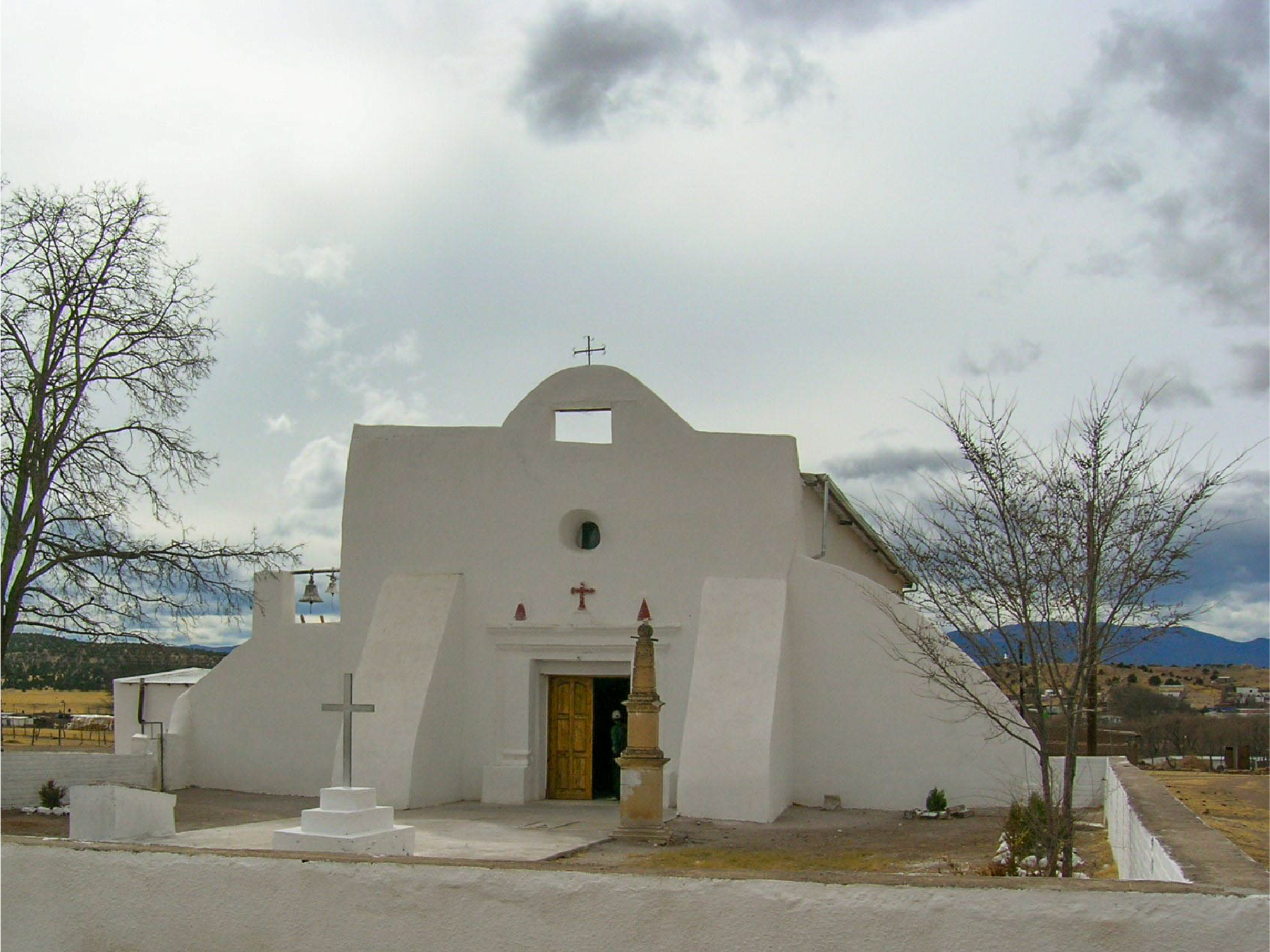
The Santa Rosa de Lima Church in Santa María de Pachera belongs to the Diocese of Cuauhtémoc and the Parish of La Junta. The Instituto Superior de Arquitectura y Diseño de Chihuahua A.C. was responsible for studying the municipality of Guerrero, a region that held significant strategic importance during the colonial period, serving as a gateway to and from the Sierra. Controlling this area was crucial to prevent indigenous rebels from leaving the mountains. This region acquired the character of a frontier between the Rarámuri and the colonial settlements, constantly affected by attacks from various indigenous groups, who justly considered that much of their vital territory had been taken from them.
The land has a strong agricultural vocation, as noted by the Jesuits since its founding. They believed that teaching agriculture should be a priority, even more so than religious doctrine itself, as they considered that agricultural practice “is also doctrine and the morality of good customs.” The Jesuits saw in this area the potential to undertake extensive economic activities.
In reality, there is little historical data regarding the founding of Santa Rosa de Santa María Pachera, but studies on the region indicate that it was an indigenous settlement, “without even a single Christian… because the devil has put up more resistance.” (León G., Ricardo, Jesuit Missions in the Tarahumara, 18th Century, UACJ, 1992).
Diocesan
19th
Chihuahua
Chihuahua
Immovable property, movable property
Adobe
Vaults and cupolas
Basilical
A physical inspection of the entire church was carried out to review the work completed during the intervention by the State Government, finding that the established tasks had been carried out and that a second intervention is required, such as the cleaning of enamel paint on the walls of the main nave and sacristy.
It was determined that a strip around the entire perimeter of the interior flooring, along with the ceramic tiles, should be removed to allow the adobe wall and foundation to breathe.
PHASE I
A medium-term work program was agreed upon, which will need to be initiated in the coming months, with all three responsible parties reaching a consensus.
Removal of soil adjacent to the north and south walls of the church.
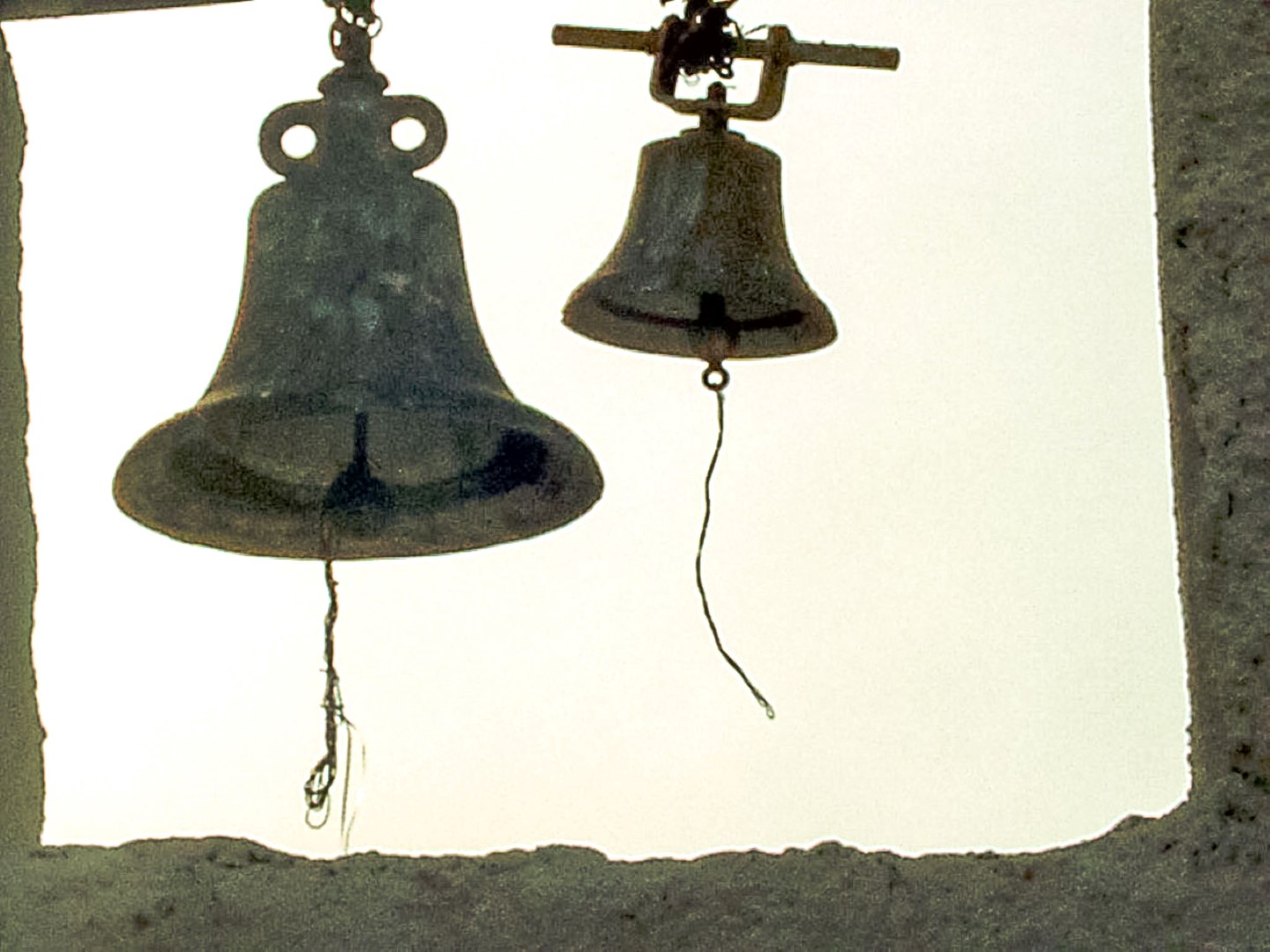
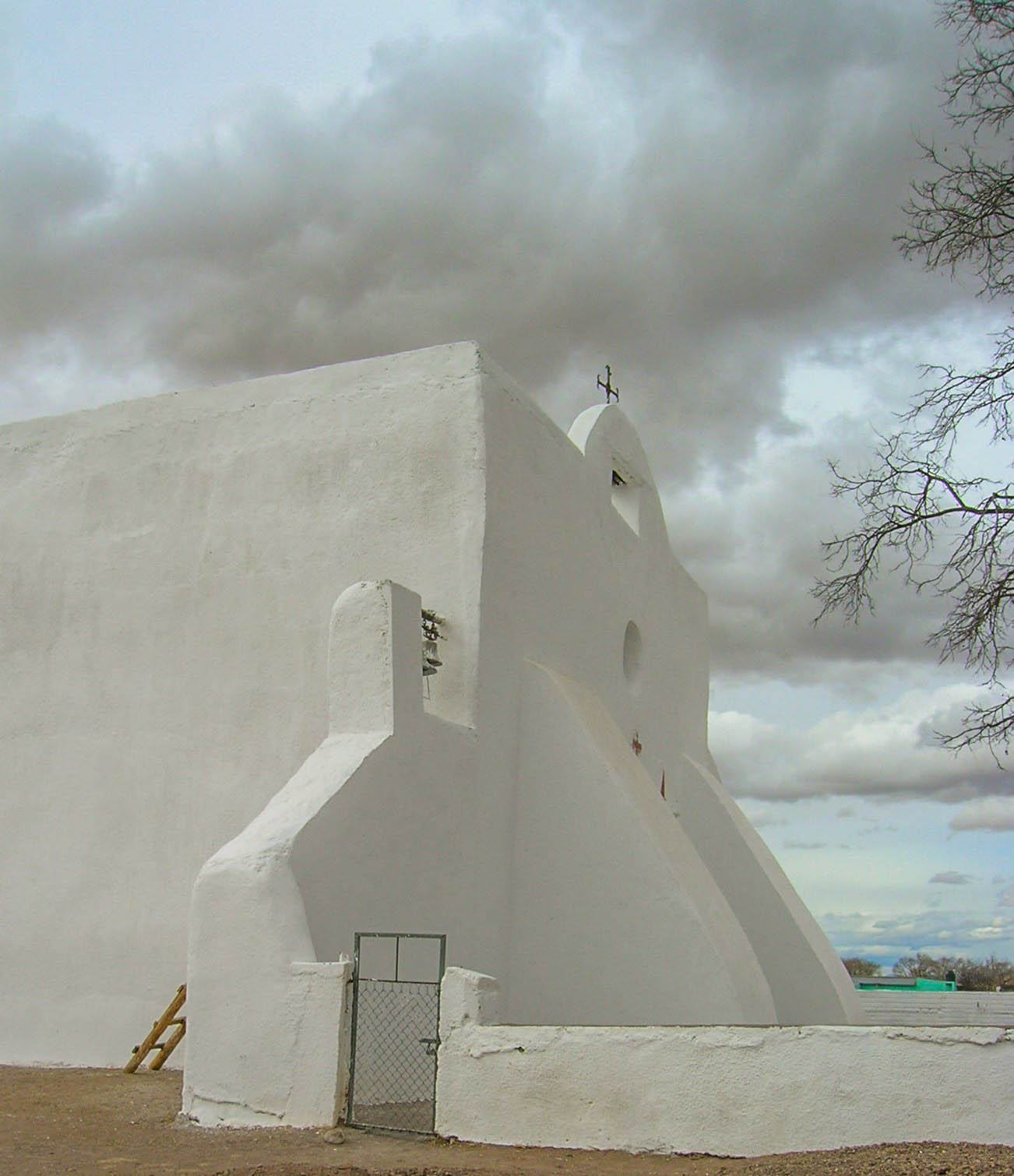
Rounded plastering in certain areas, such as the bell tower.
Cleaning of oil-based paint on the interior walls.
Whitewashing on the upper part of the perimeter wall of the atrium.
Cleaning of cantera stone on the south or main facade.
Municipality of Guerrero
INAH
The interest shown by the Pachera community in their church is worthy of recognition. They have a committee composed of local women and also share a small annexed building used as a shelter for “the church of the matachines,” as they call it.
Currently, the community suffers from the effects of the decline of agriculture and mining as predominant economic activities, the resulting migration of residents, and the natural challenges of low rainfall and prolonged droughts.